“It’s not an exaggeration to say that this is a museum built by Londoners for London.” – Francis Marshall, Senior Curator at the London Museum
After ten years of planning and building, and an extraordinary £437m (the original budget was £150m), the new London Museum has opened to the public.
Set in two historic Smithfield Market buildings in the City of London, the museum tells the story of the city from its earliest inhabitants to present day. I got a sneak peak before the doors opened to the public and can happily report that this is an excellent museum. My London Museum review tells you everything you need to know about visiting the biggest city museum in the world.
London Museum Review
Table of Contents
London Museum: Quick Facts
| Where | Smithfield’s General Market, West Smithfield, London EC1A 9PS |
|---|---|
| Opened | Saturday 28 November 2026 |
| Price | Free (booking recommended in the opening weeks) |
| Opening hours | 10am – 6pm Sunday – Thursday, 10am – 11pm Friday & Saturday |
| Time needed | 2–3 hours for a first visit (you still won’t see it all) |
| Nearest station | Farringdon (Elizabeth line, Thameslink, Circle, Hammersmith & City, Metropolitan) |
| Good for kids? | Yes, very |
Disclosure: This post may contain affiliate links. I have been or could be if you click on a link in this post compensated via a cash payment, gift or something else of value for writing this post. See our full disclosure policy for more details.
London Museum Smithfield
The London Museum is the old Museum of London under a new name and in a new location. For 46 years, the museum was located at 150 London Wall, in a purpose-built modernist complex. It closed in 2022 and is now housed in Smithfield’s historic General Market, a beautiful Victorian market hall. A second phase, in the 1960s Poultry Market next door, will open in 2028.
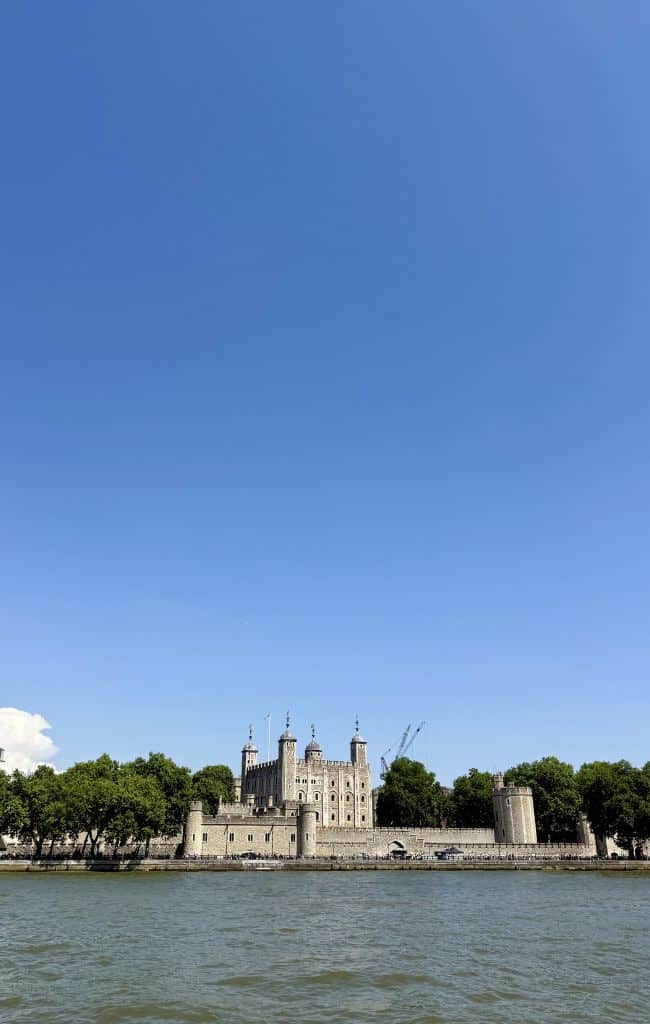
Originally opened in 1883 and designed by Sir Horace Jones, the same architect behind Tower Bridge and Leadenhall Market, the Smithfield General Market saw over a century of trade before it was closed for good in the 1990s. Left empty for decades, the site was earmarked for redevelopment into modern office blocks until it was saved and taken over by the London Museum.
The revamp is extraordinary, breathing new life into the historic space. It’s much bigger than its predecessor – so big, in fact, that it’s impossible to see all 5,000 objects on display in one go. But that, explains the Director of Transformation, Alec Shaw, is precisely the point. The idea is for visitors to keep coming back.
The museum is divided into three spaces:
Real Time: the main entrance, a converted street, filled with live data about London today.
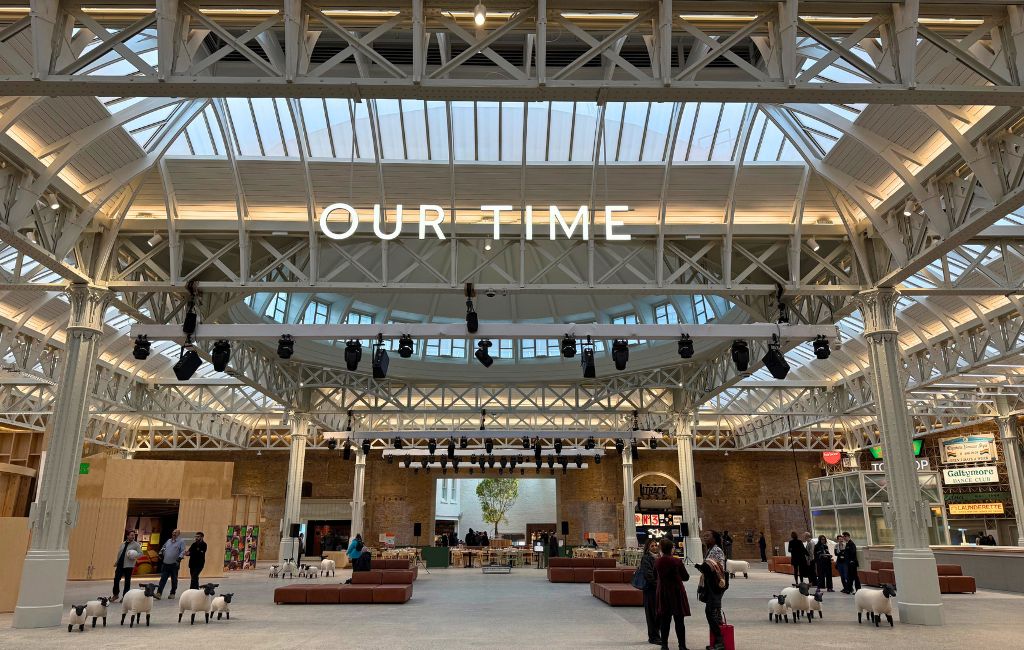
Our Time: on the ground floor, this space covered London today, with displays on its communities, food, music and everyday life.
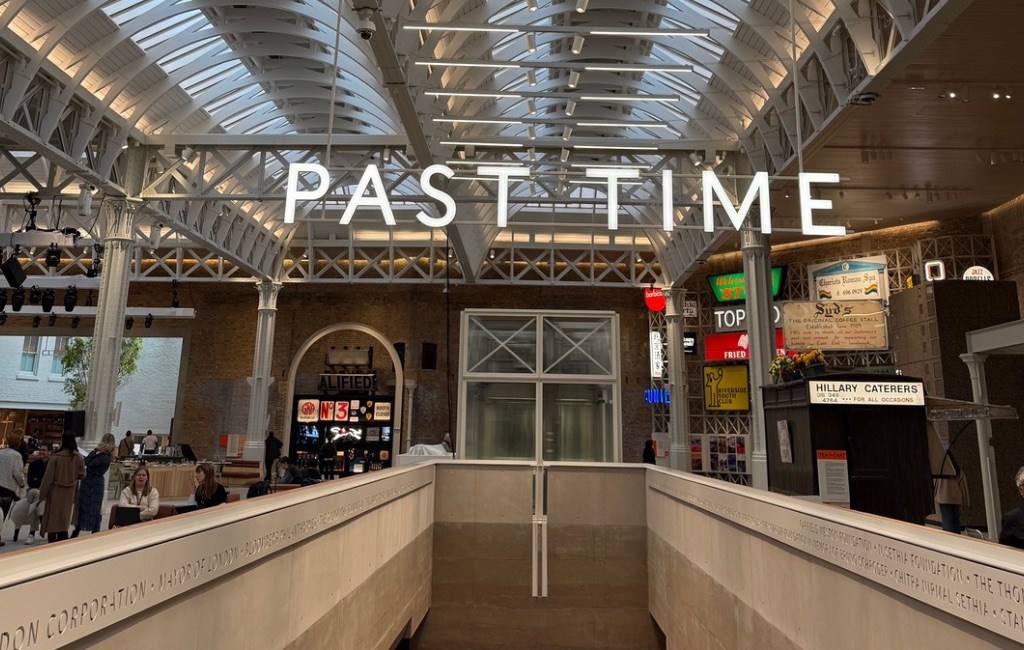
Past Time: on the lower floor, this follows 2,000 year of London history plus themed galleries such as the Great Fire of London.
In addition to the new layout, there are new items on display, plenty of interactive elements, digital displays, and lots to keep kids busy too. Plus, the museum is still free to visit.
Given how large the new museum is, I’m not able to cover everything in this London Museum review but I can tell you what to expect, share tips on how to visit, and reveal my personal museum highlights. Here’s what you need to know before you visit.
Real Time: the entrance
One of the things I really love about the new London Museum is that there are multiple entrances. It feels much more like a community space that you can enter from four different points. There’s no ticketing or routine bag checks, the idea being that you can simply drop in whenever you want.
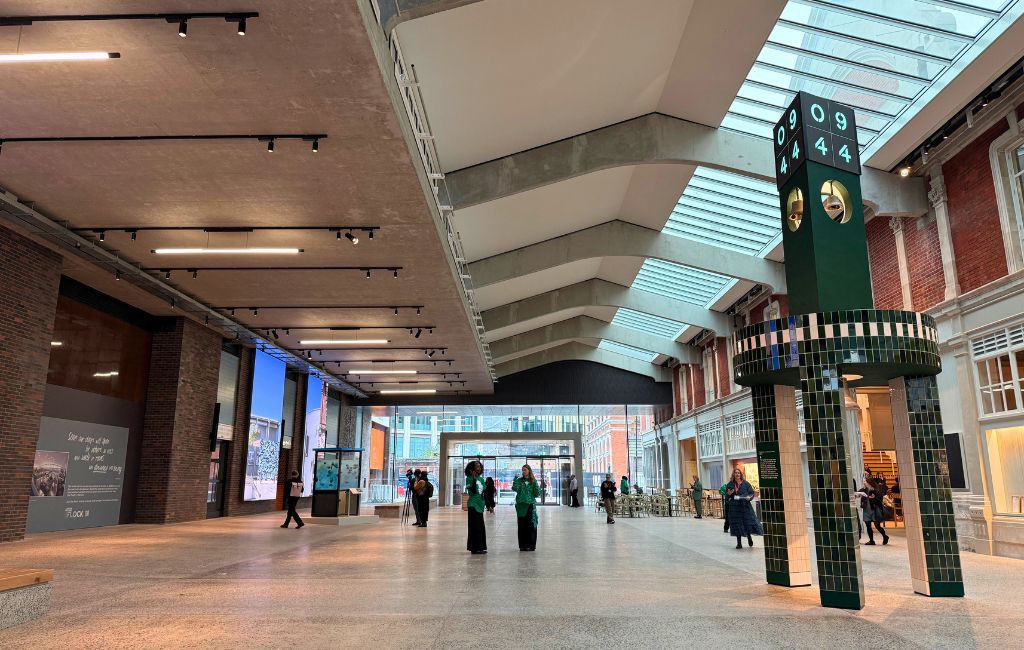
That said, it’s worth entering via West Poultry Avenue at least once as this is where you’ll find the Real Time gallery. Housed in a converted covered street, this is the main entrance and explores London right now.
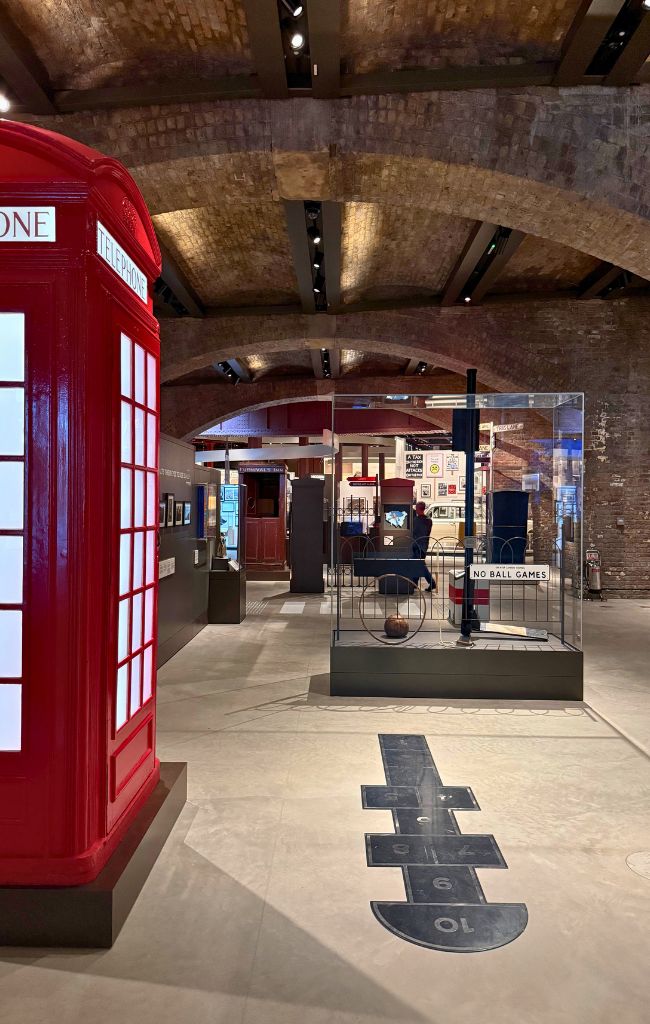
There are live data screens that track the city in moment, from how many pubs and bees London has to Londoners’ changing moods and what the city is listening to each week. Look down and you’ll see pieces of pottery and discarded Victorian clay pipe (a common find when you go mudlarking in London) are set into the floor, echoes of the city’s past.
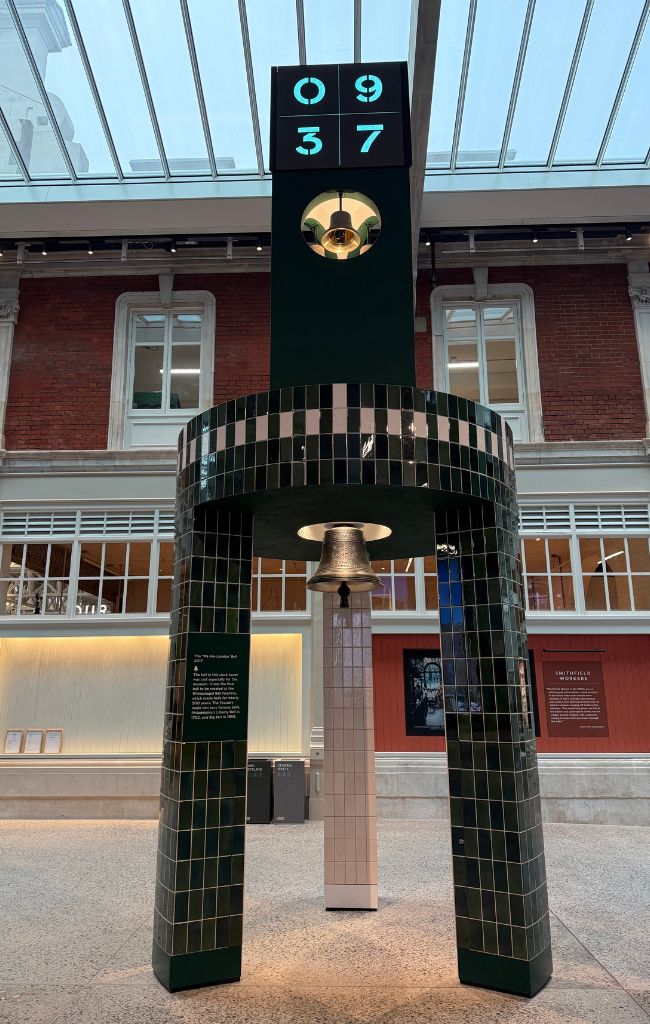
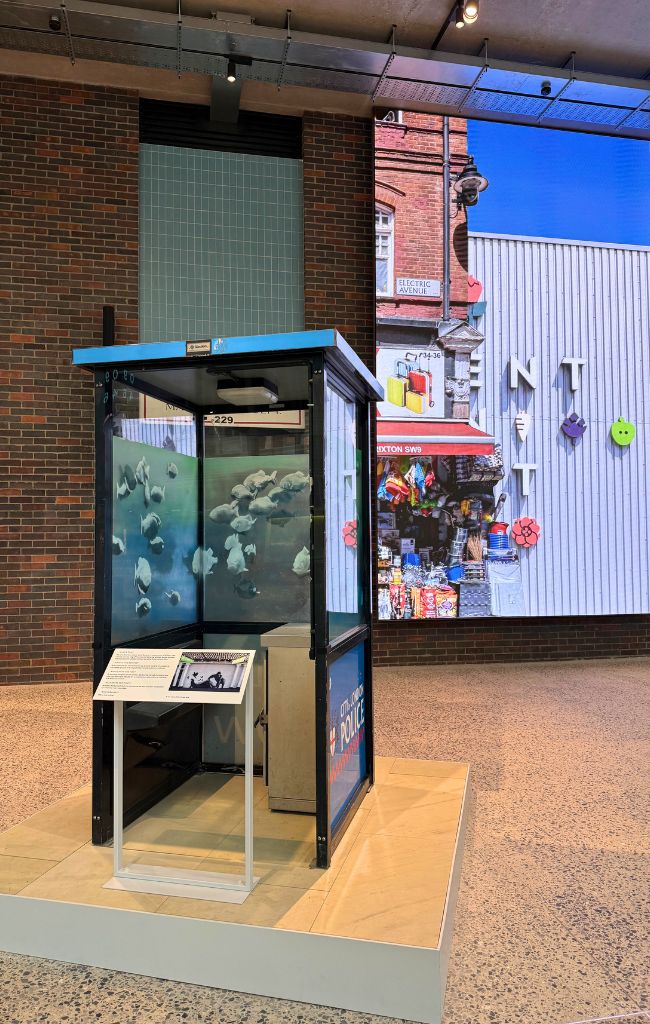
The street artist Banksy’s Piranhas sentry box is on display, part of the artist’s 2024 animal series, as well as the clock tower, which holds the last bell ever cast at the historic Whitechapel Bell Foundry. It rings the museum open every day.
Our Time: London today
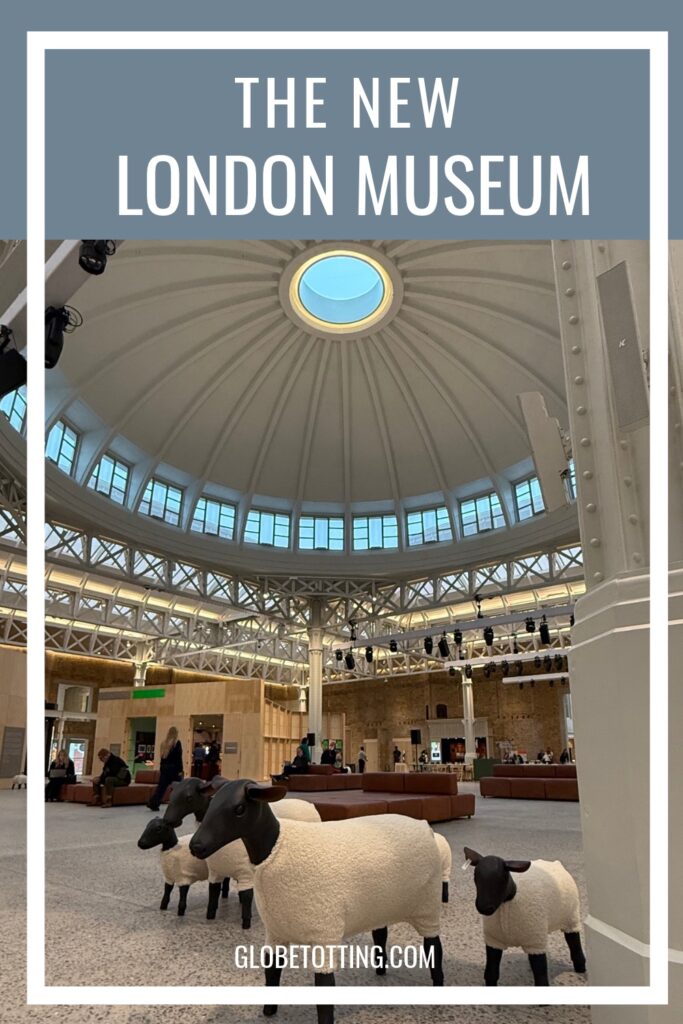
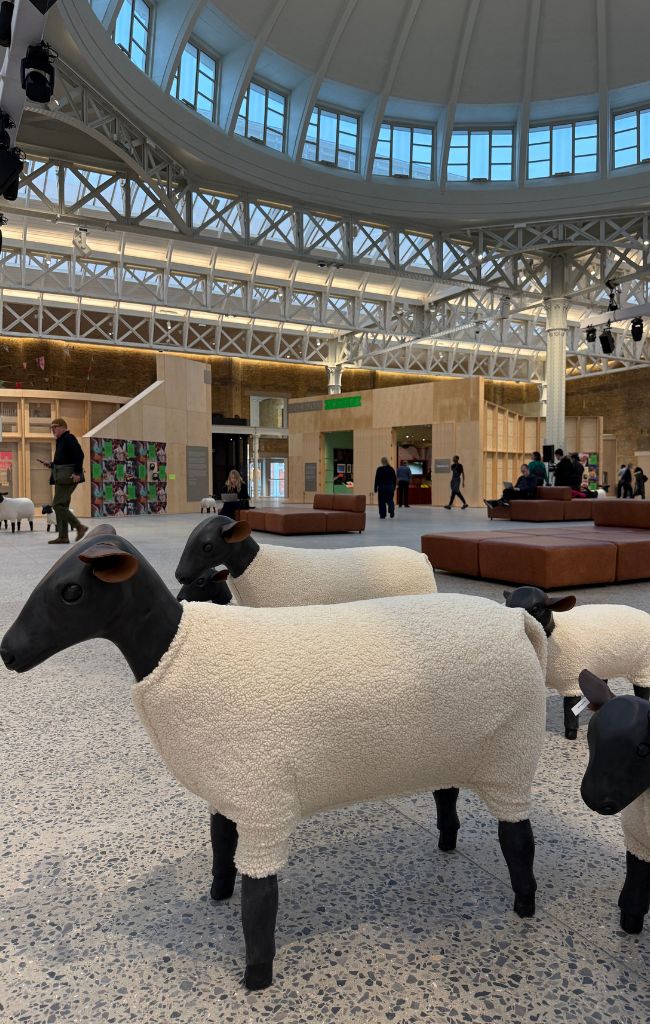
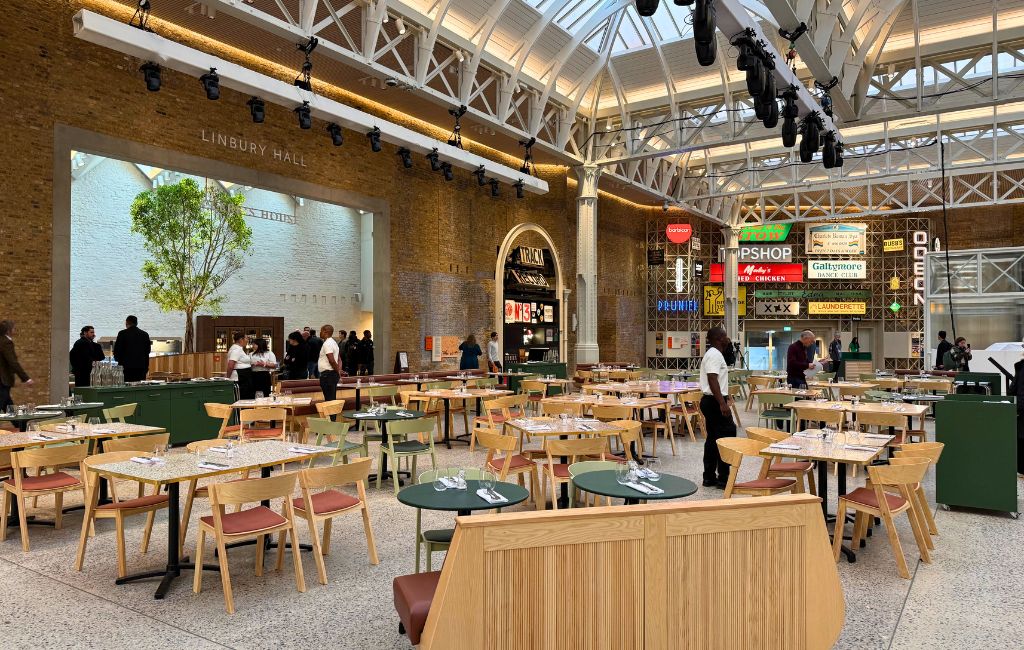
When I first walked into Our Time, the space that occupies the Linbury Hall, the bright former trading floor of the General Market, I thought, “this is beautiful, but feels very sparse”. But then I did visit before the museum had opened to the public and I can imagine that it will feel very different once it’s full of visitors. Plus, once I started to explore, I discovered that there’s much more to see and experience on the ground floor than initially meets the eye.
Our Time explores London as it is now and is the most interactive part of the museum. Around the edge are 13 large installations about the ways that Londoners come together.
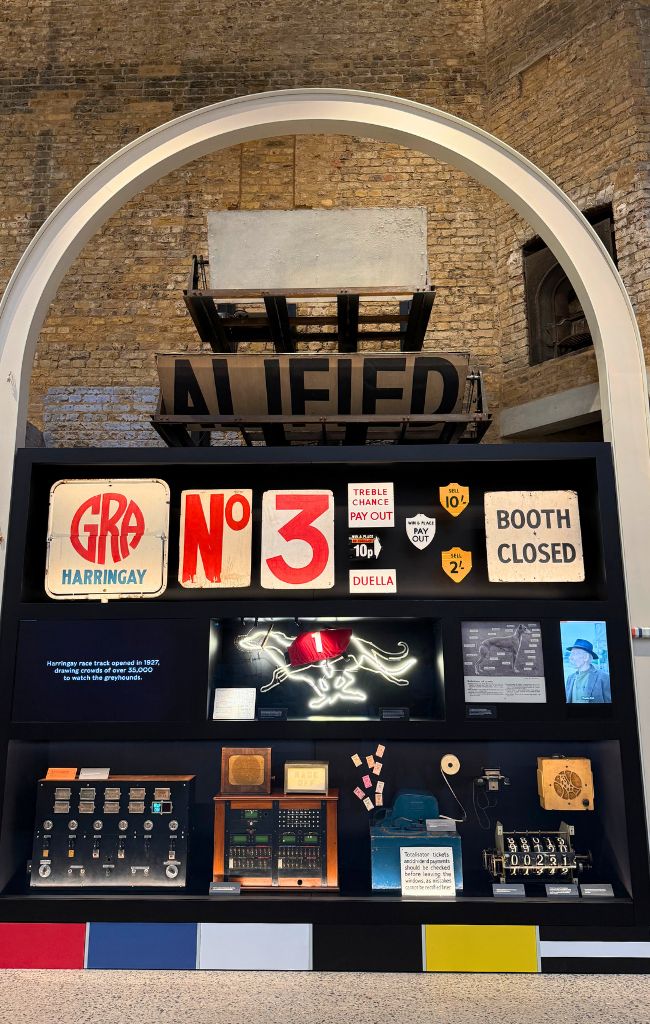
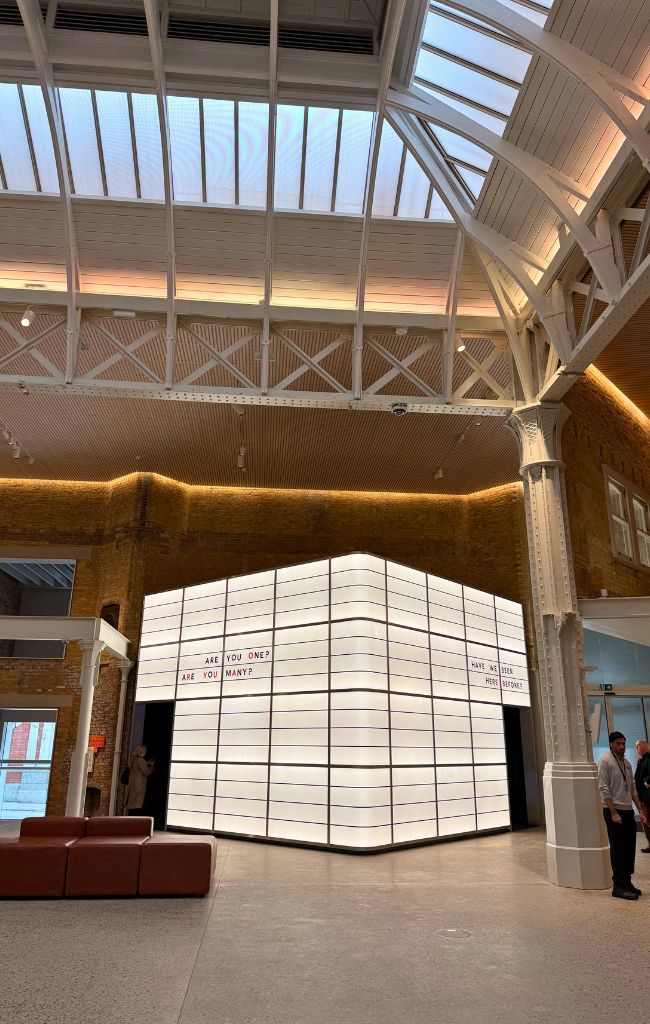
There are photos from dog tracks, including signs and parts of the totalisator machine that worked out betting odds at Harringay Stadium. There’s a short film dedicated to what it means to be a Londoner called “Are You One, Are you many?” made using historic and contemporary footage.
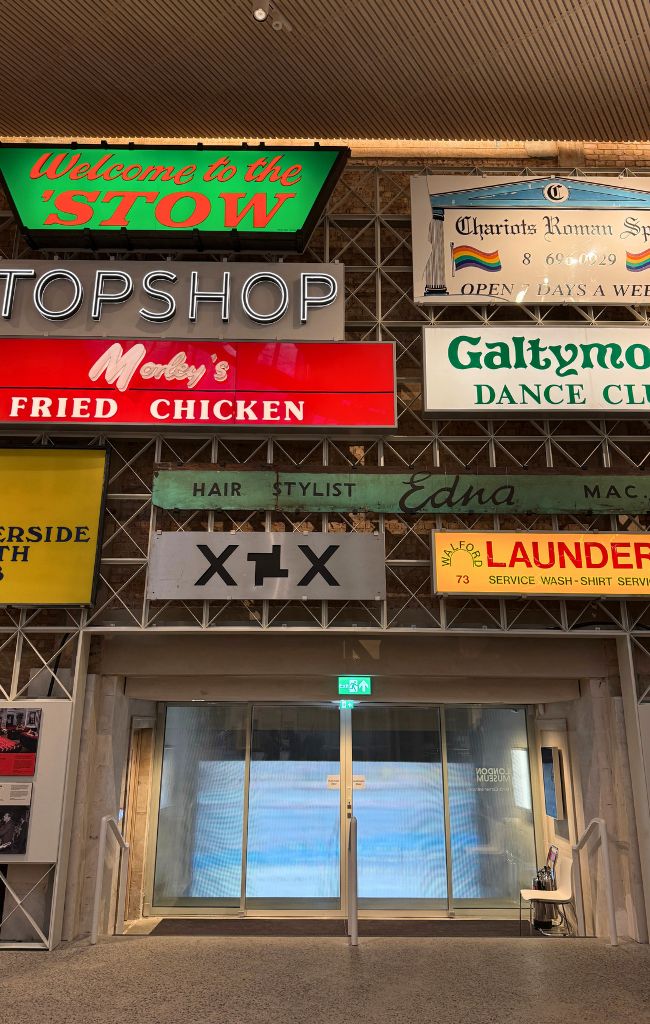
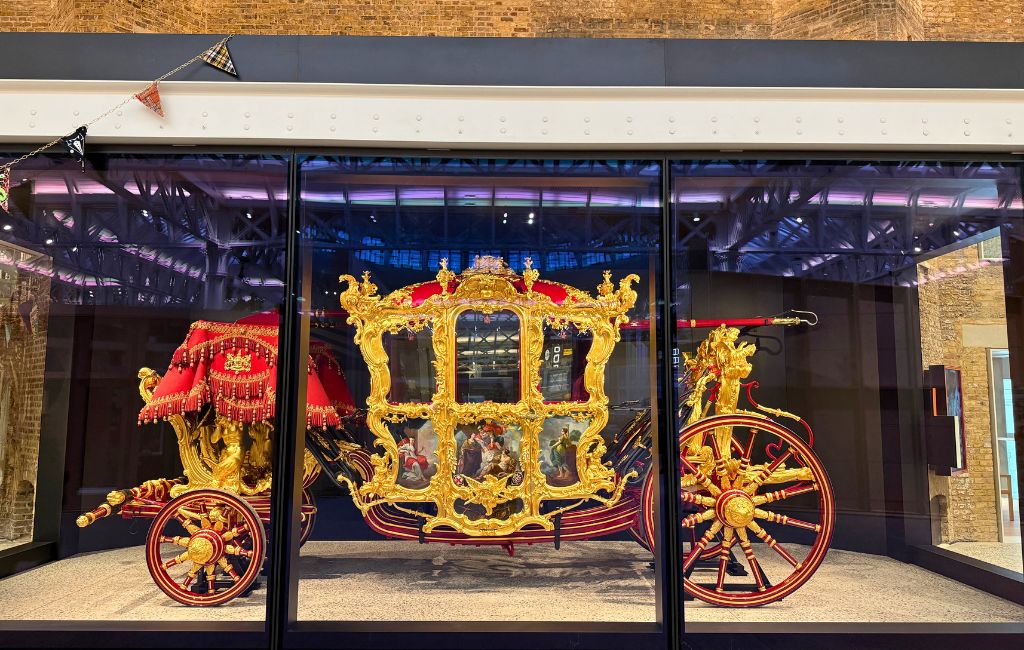
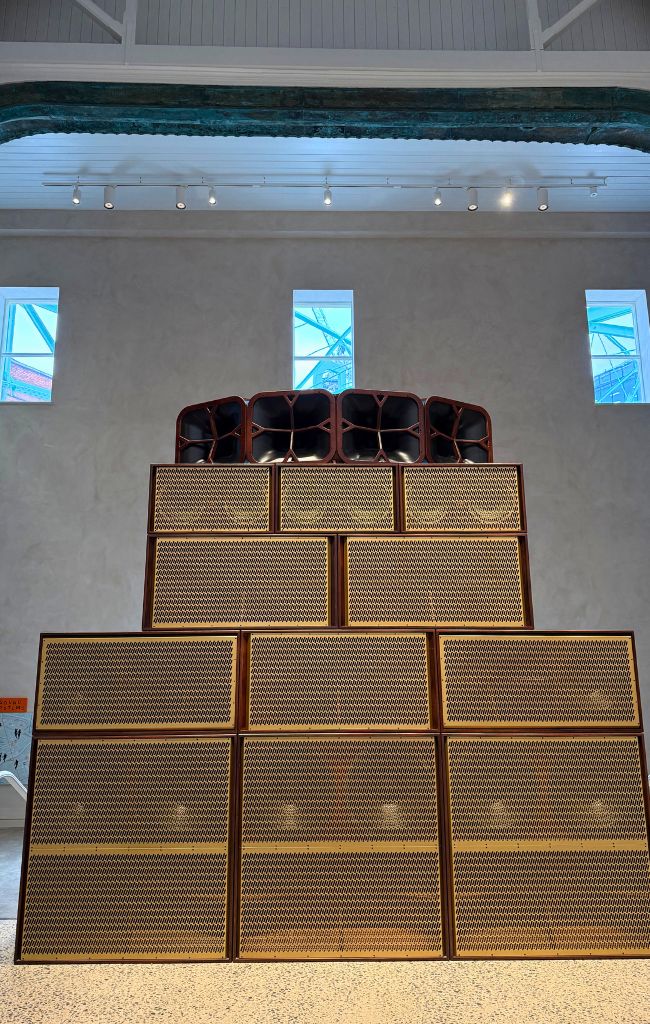
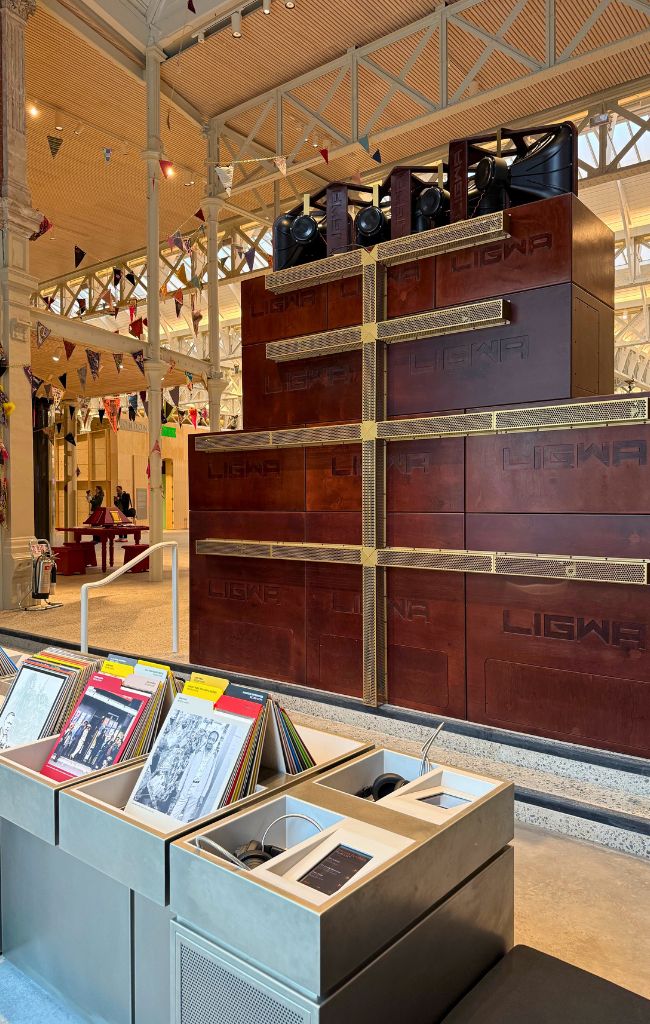
Set in a large glass cabinet is the historic Lord Mayor’s coach; there’s the Hanging Out display, with 20 glowing signs from places where Londoners gather including Topshop and the original Morley’s from Sydenham; and a tower of speakers that celebrates carnival sound system culture.
From 4 December 2026, the museum will stay open late on Friday and Saturday nights, with a resident DJ collective of emerging talent from across London’s boroughs, supported by the family-run fried chicken chain, Morley’s.
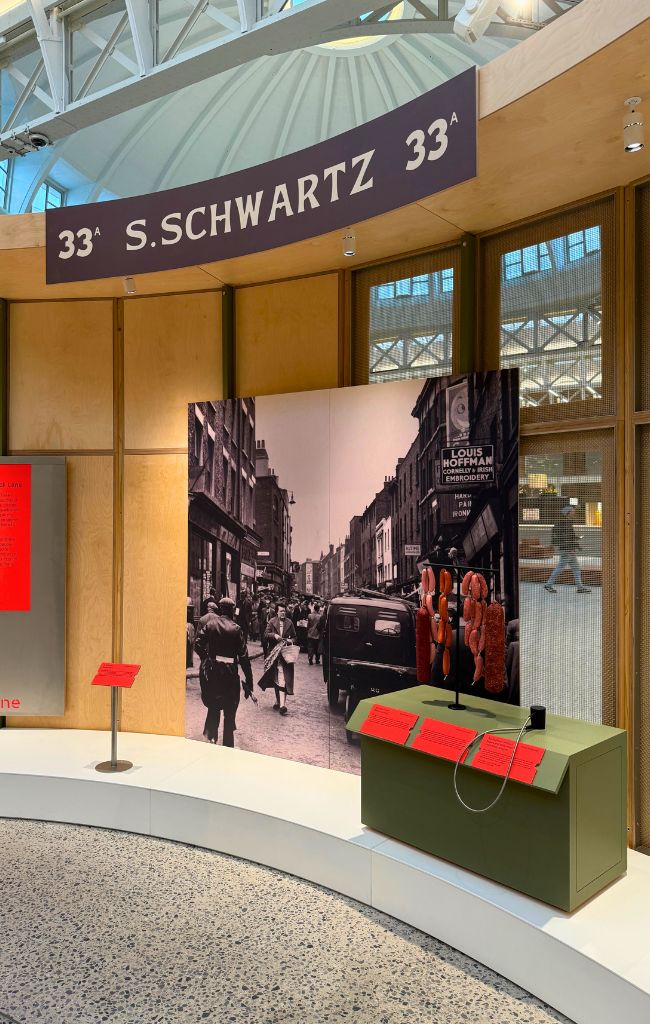
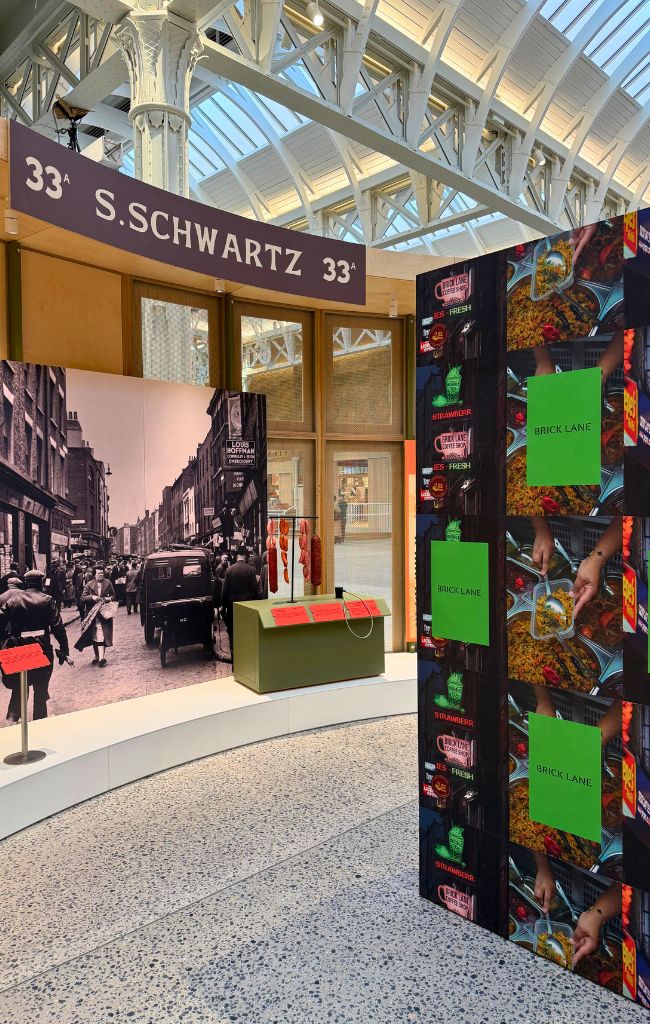
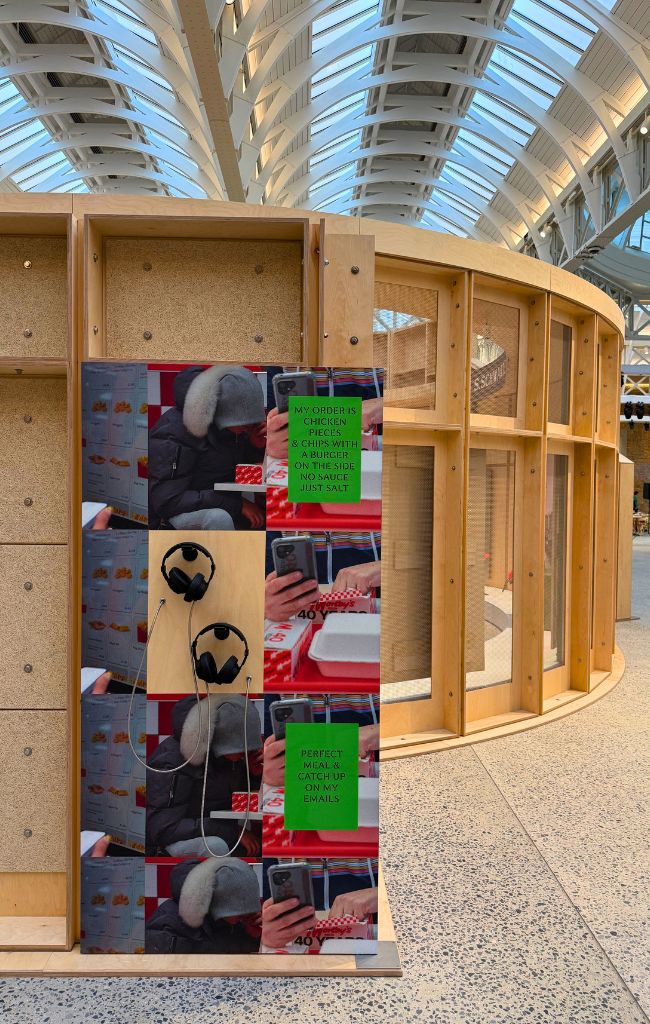
I loved the section dedicated to the changing tastes of Brick Lane. From Jewish Brick Lane (there’s a lovely video with customers talking about their favourite order at Beigels Already) to Bangladeshi Brick Lane, and now the Chinese community growing around Spitalfields. This area has become the fastest-growing new Chinatown in the city.
Don’t miss the audio recording of “history guy and photographer” Raja Vaidyanathan, who has photographed every day life on Brick Lane for over 40 years.
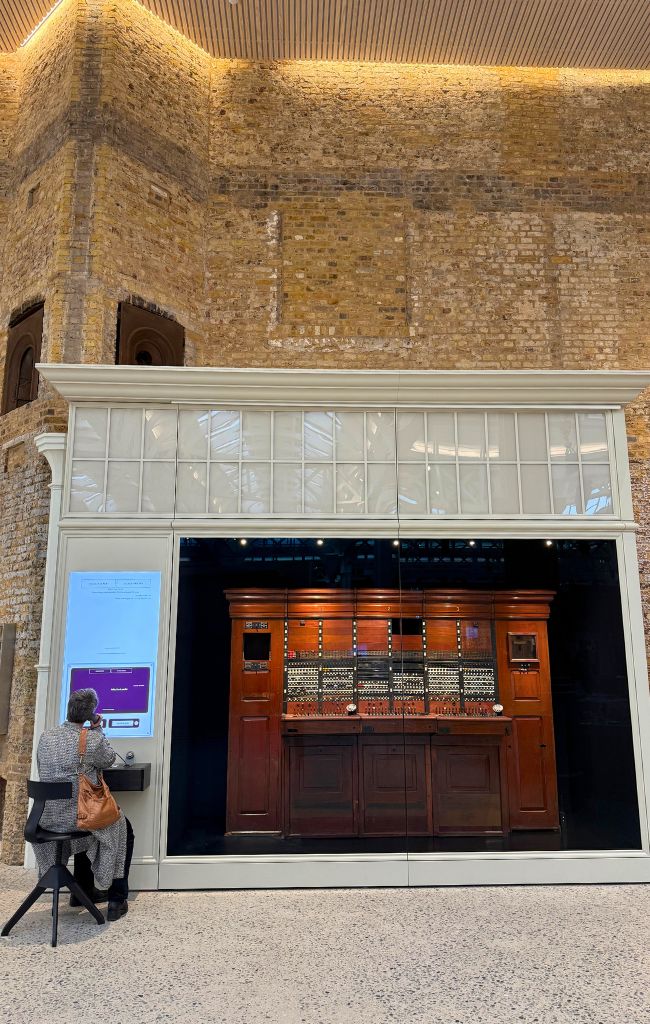
I also really enjoyed the old Buckingham Palace switchboard. Decommissioned in 1970, and on display for the first time, this enormous contraption once facilitated communication between the many rooms of His Majesty’s palace.
There’s a fun interactive element here too: a touchscreen lets you pretend to put calls through between various rooms in the palace and listen in on their conversations. Kids, in particular, will love this.
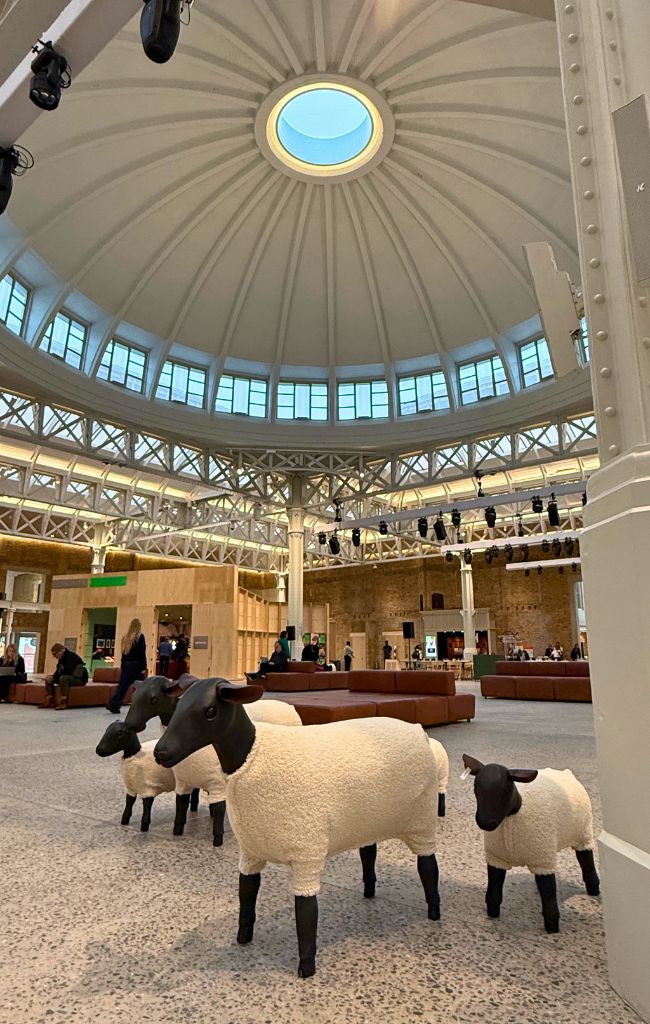
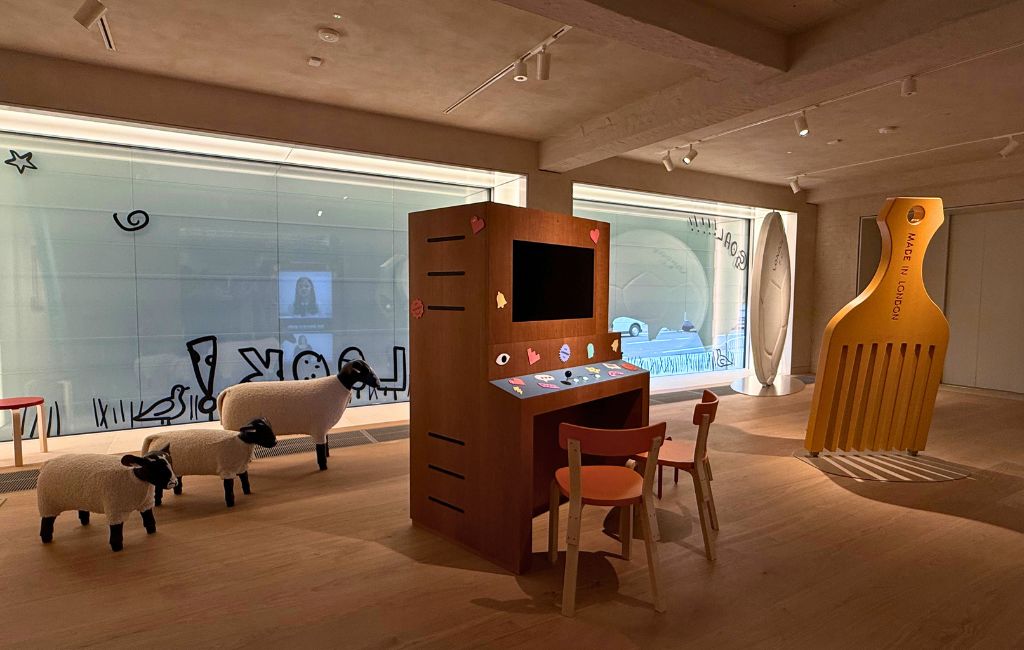
There’s also a section here dedicated to Young Londoners. Over 100,000 people were involved in making this museum, including school children from 33 schools across the city. You can hear their voices in this section, where you’ll also see some of the museum’s many sheep.
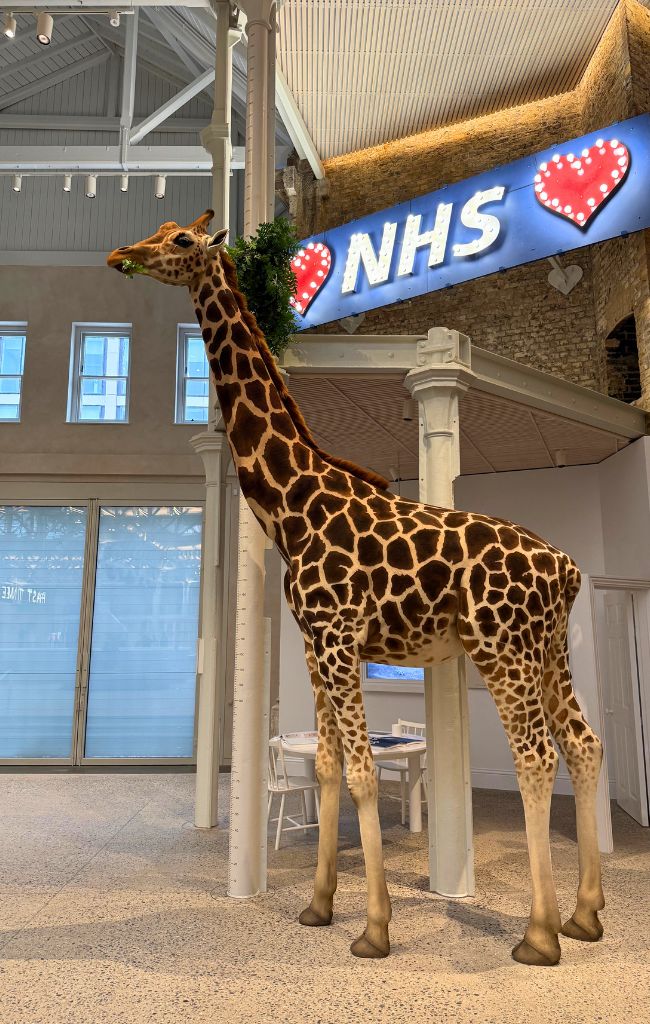
It’s not just people that are celebrate in the new London Museum, animals are too. In addition to the flocks of sheep scattered around (a nod to the livestock market and the annual Sheep Drive), there are nods to the other animals that live or have lived in London including the elephant once kept in the Tower of London and the urban foxes of today.
Even pigeons get a look in. Not only is the new museum’s mascot a pigeon but the clock tower in the Real Time entrance has animated pigeon sculptures that dance and peck on the hour.
Past Time: London’s history
Downstairs – which is at Roman street level – is where London’s long history lives. The open-plan gallery is divided into four parts: an opening section on prehistoric London, London’s story in five chapters, the themed London Life galleries and London Landscape.
Off the main route are five side rooms, which he museum calls focus galleries, each with their own displays. These include Roman mosaics, the Cheapside Hoard, the Great Fire of London and women’s suffrage.
There are approximately 5,000 items currently on display in the London Museum, a tiny fraction of the 7 million objects in storage. But it’s worth remembering that this is not the full extent of the galleries. A series of vaults discovered during construction will open next spring to display even more Roman artefacts.
And, in 2028, the Poultry Market building (on the other side of the Real Time gallery) will open with more of the permanent collection on display.
Long Before London
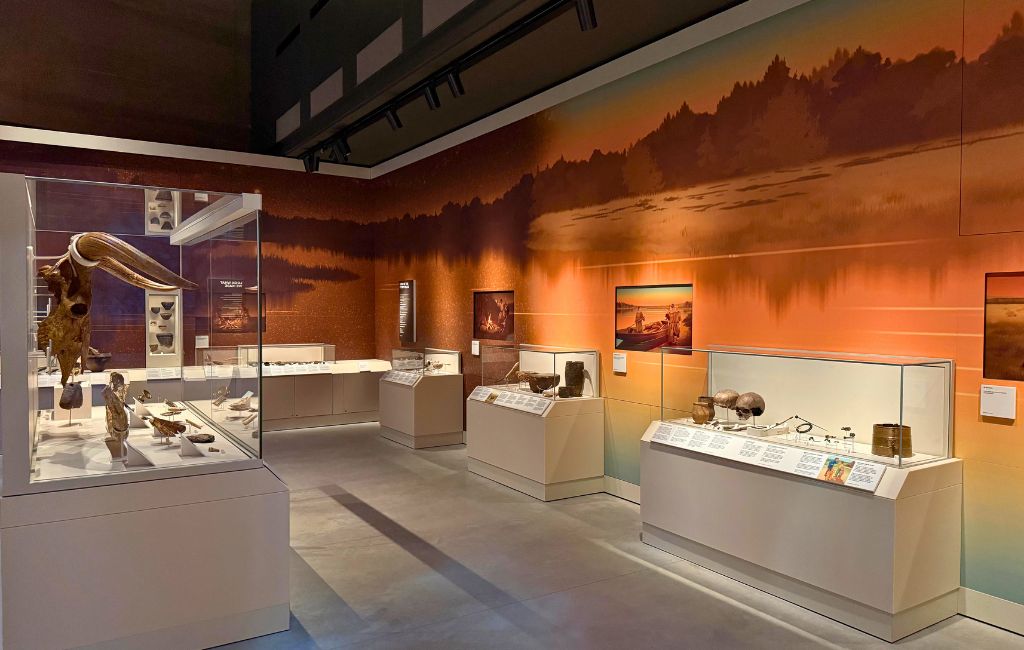
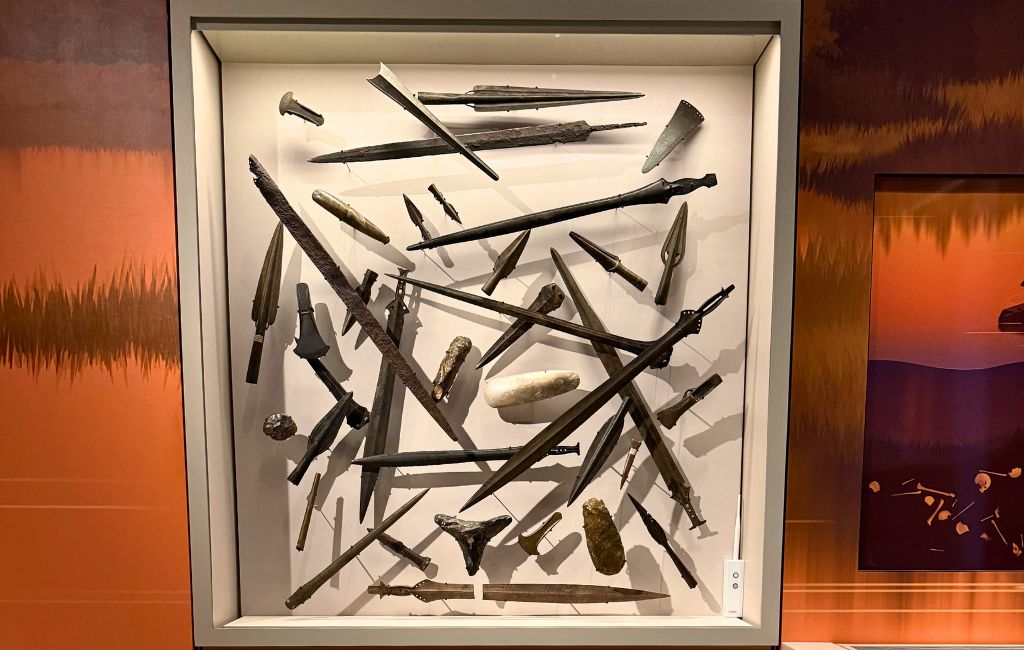
The first gallery explores London before the city even existed. There have been people living in the area known as London for around 400,000 years. Among the items on display in this gallery are the Havering Hoard, the largest Bronze Age hoar ever found in London. They are on display for the first time ever.
Also on display are a selection of weapons found in the River Thames. The guide that showed me around said that many of these were probably thrown into the river on purpose as offerings. There are also a handful of skulls in this section, both animal and human.
London’s Story: 2,000 years in five chapters
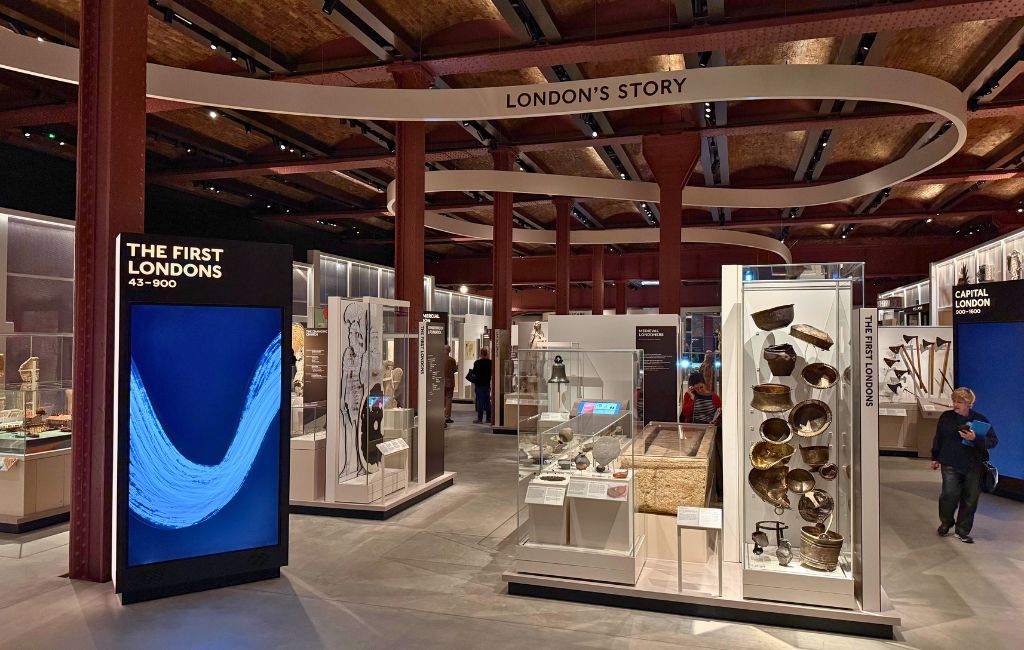
Trying to condense London’s history into one gallery is an enormous undertaking but I fell the London Museum has done an excellent job at making it both accessible and interesting for audiences of all ages. Each chapter opens with a one-minute film starting with The First Londons.
The First Londons
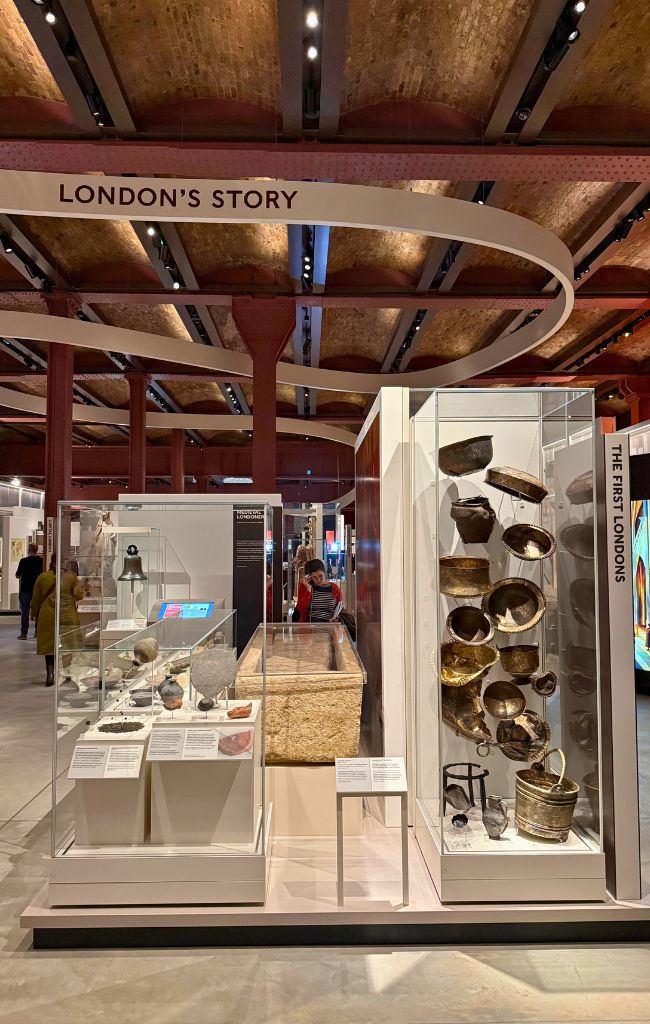
The Romans established their new town of Londinium around AD 47–50 on the north bank of the River Thames, on the site of today’s city of London. On display in this section are late Roman bronze and brass vessels, a bucket made in Turkey or Egypt, which shows how connected Roman London was, and Roman writing tablets, the earliest surviving voices of Londinium.
You’ll also see sculptures from the Roman temple of Mithras, that were rediscovered in the 1950s when the Blitz damage opened up the city for archaeologists. The temple itself can still be visited today, it’s located beneath the Bloomberg building in the city.
Don’t Miss: The Roman Shop and Home
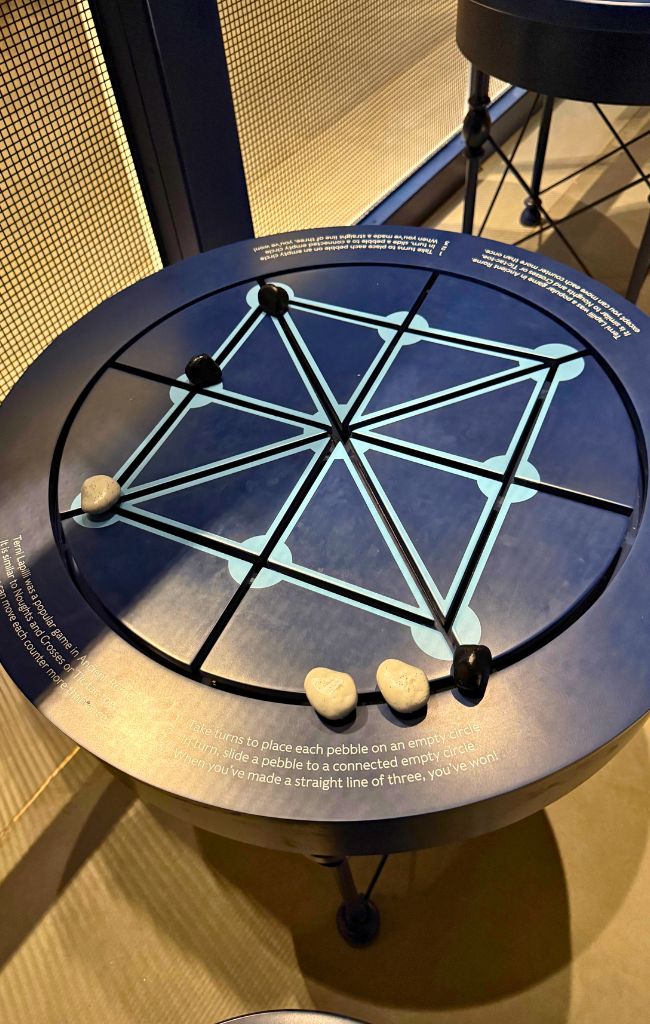
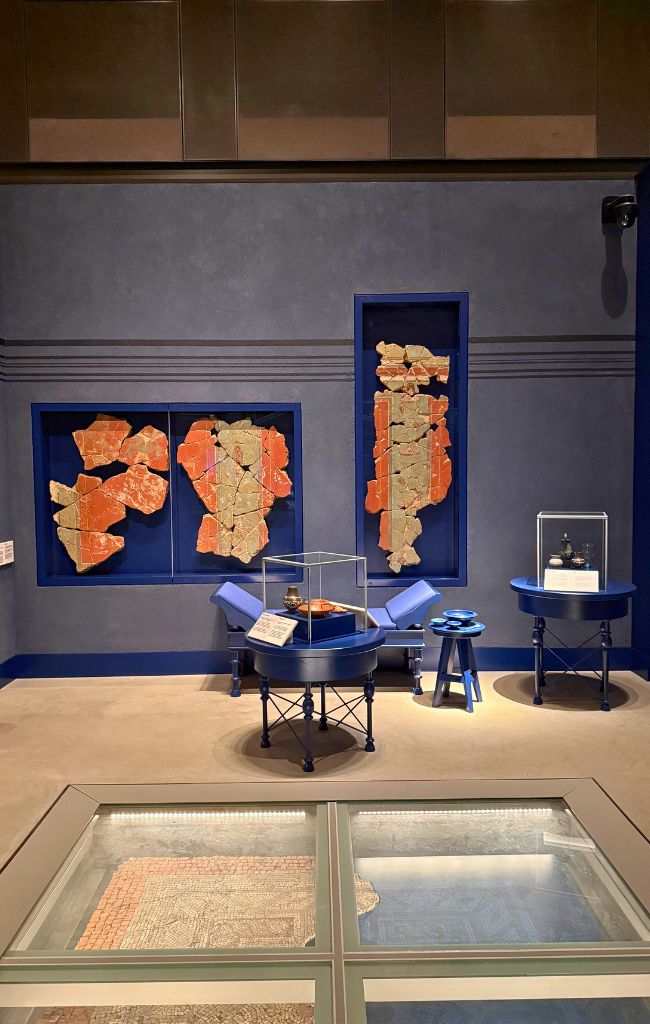
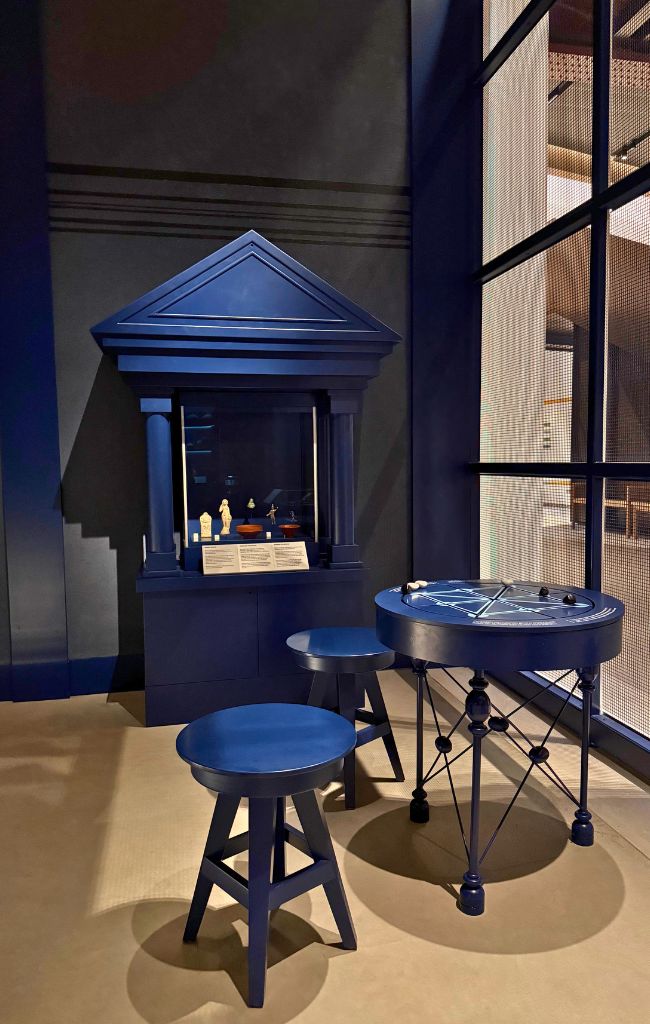
The recreated Roman shop and Roman home. On display for the first time are the largest surviving pieces of painted wall plaster from Roman London and a section of floor mosaic. This a great area for kids in particular and is helpfully colour-coded so that anything you see in dark blue is a replica. There’s also a Roman game to play. Called Terni Lapilli, it’s not dissimilar to tic-tac-toe (otherwise known as noughts and crosses!).
Capital London
This chapter covers the medieval and Tudor periods when London became England’s capital and explores the three powers that ran the city the Crown, the merchant guilds and the Church.
Some of the highlights from this section include the Bowes Cup, a star of the Goldsmiths’ Company Collection, thought to have been used by Elizabeth I at her 1559 coronation banquet. It’s on display here for the first time.
Also on display are four 15th-century statues of virtues trampling vices. These once stood at the front of the Guildhall. Next to them is a Guildhall common chest, that once held the guilds’ seal and charters. With three locks on the outside and three on the inside, it needed six key holders to open it.
Don’t miss: The Cheapside Hoard
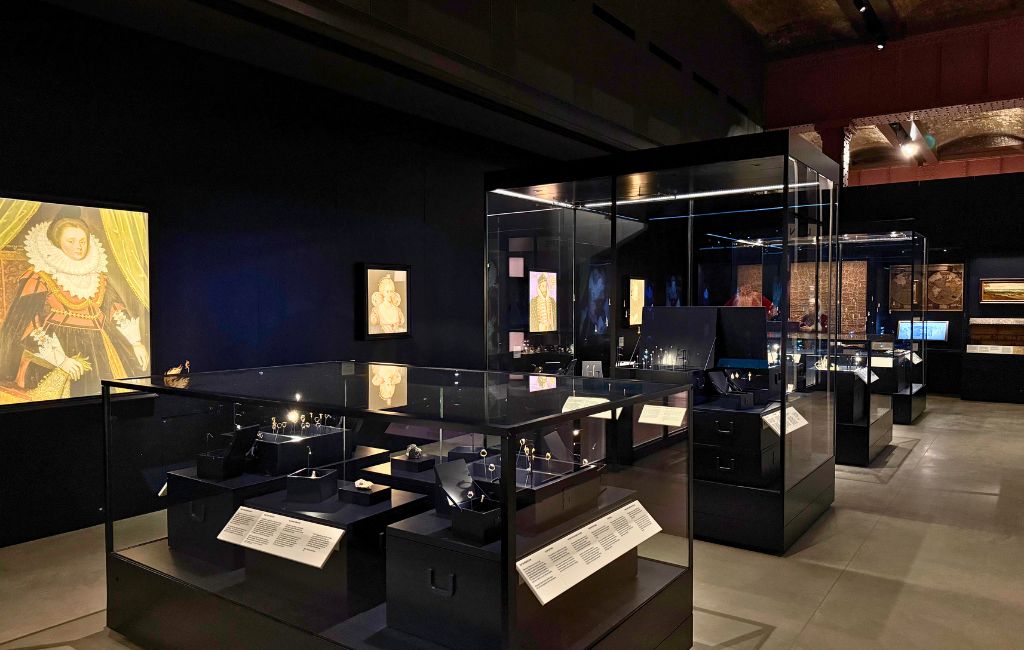
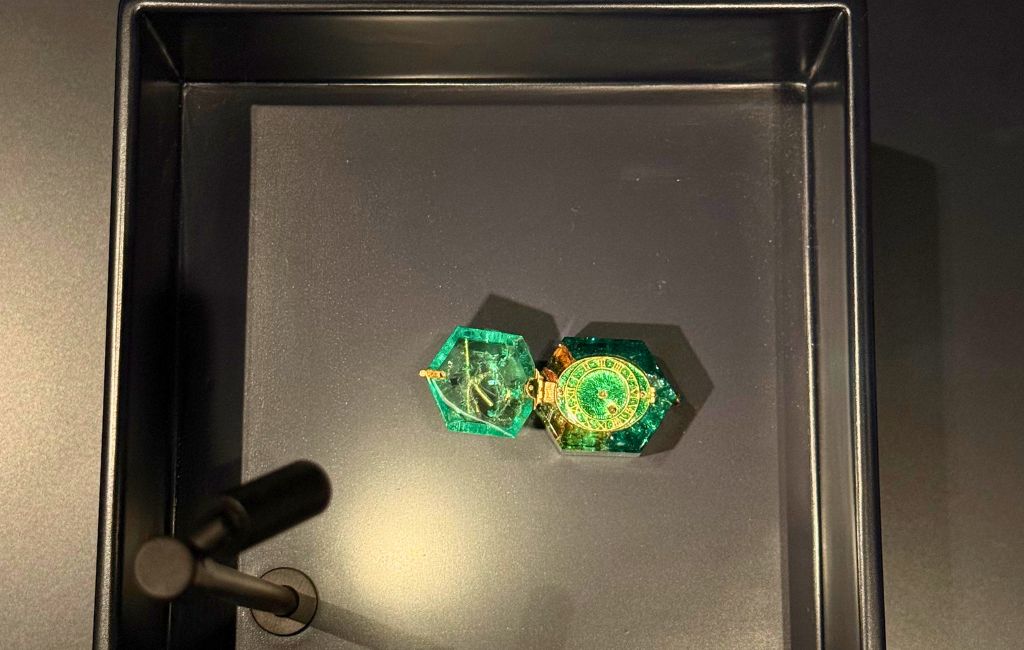
One of my favourite sections of the new London Museum is the Cheapside Hoard. In the 17th century, a goldsmith on Cheapside’s Goldsmiths’ Row buried most of his stock in a cellar. Civil war, plague and the Great Fire followed, and the hoard was forgotten.
Discovered beneath a cellar floor by workmen in 1912, it holds more than 500 pieces and is the finest collection of Tudor and Stuart jewellery to survive. It’s an extraordinary collection but the star piece is a pocket watch set inside a single hollowed-out, enormous Colombian emerald. Our guide described it as “17th-century bling”.
Commercial London
This section starts in 1600 with the founding of what became the East India Company. Over the next 200 years, trade, colonisation and exploitation turned London into an imperial capital.
Items on display in this area include the vest reputedly worn by Charles I at his execution in 1649 as well as Bills of Mortality from the 1600s, which recorded deaths in plague years.
There’s also a display detailing London’s direct links to the transatlantic trade in enslaved people, which includes a trade card for a business selling clothing for enslaved people on plantations. Alongside are glass beads made at a Hammersmith glassworks owned by Nicholas Crisp to be traded for people in West Africa.
These historical items are accompanied by a new commission from the London Museum, portraits by the contemporary photographer Ajamu X to represent the “lost likenesses” of the Sons of Africa, Britain’s first Black political organisation.
Don’t miss: The Great Fire of London
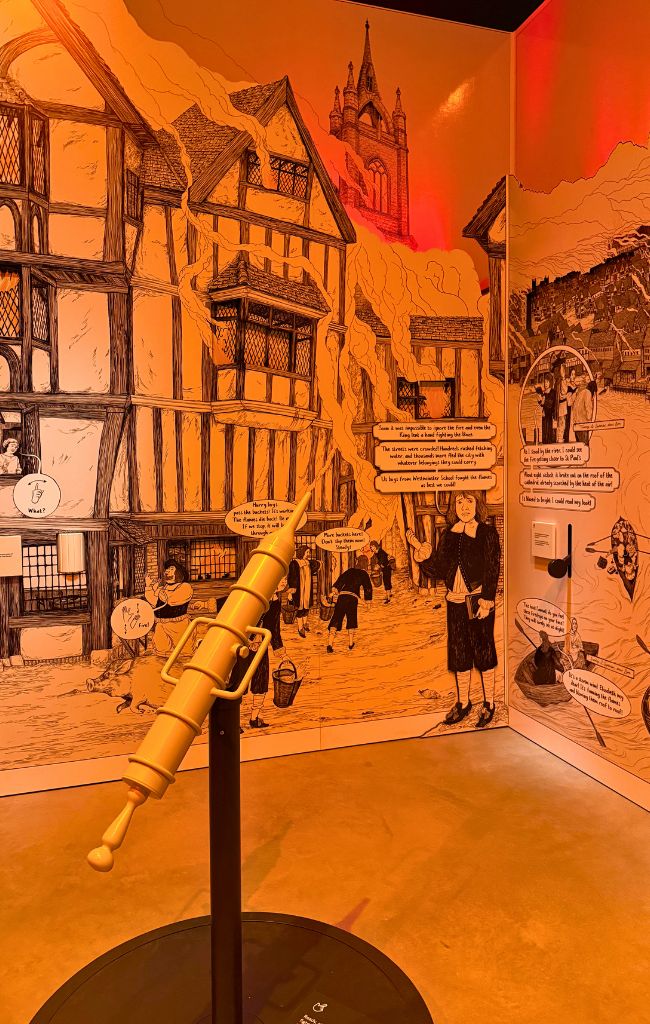
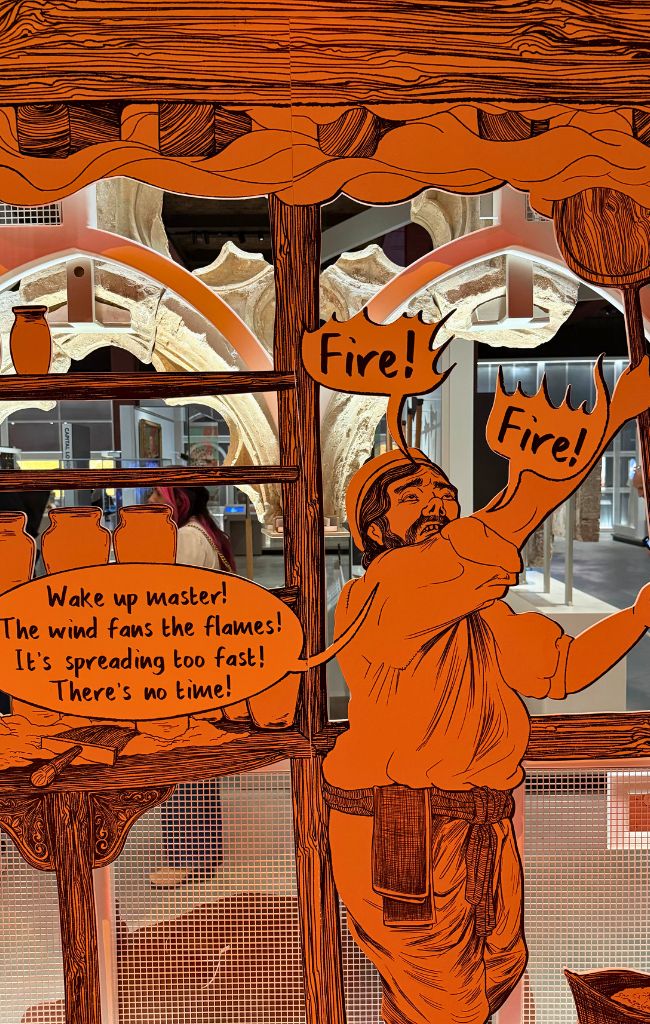
The Great Fire of 1666 is given a dedicated gallery here and it’s perfect for kids visiting the London Museum. The comic writer Leah Moore and the artist Rohan were commissioned to created a giant walk-in graphic novel to tell the story of the Pudding Lane fire. In addition to interactive elements and real stories based on people who lived in London at the time, there are real finds such as charred bricks and melted window glass.
Imperial London
This section covers from the end of the Napoleonic Wars to 1948, when London was at its height as an imperial capital. It covers huge Victorian change and two world wars. Some critics have argued that this section is too small and lacking in detail, particularly when it comes to the world wars.
On display are objects from the East India Company, and images and souvenirs from London’s Empire Exhibitions, as well as Charles Dickens’ armchair from Gad’s Hill in Kent where the author lived for the last 14 years of his life.
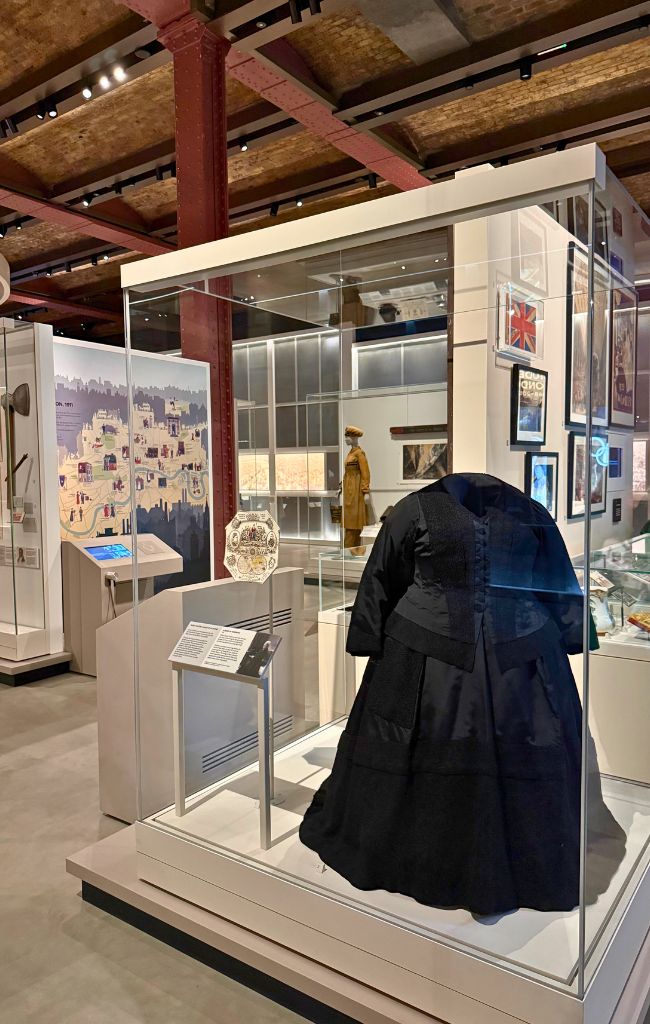
My personal favourite is Queen Victoria’s mourning dress, worn after the death of her grandson Prince Eddy in the 1892 Russian flu pandemic. It shows just how tiny she was but also what a presence she must have had.
Don’t miss: Votes for Women
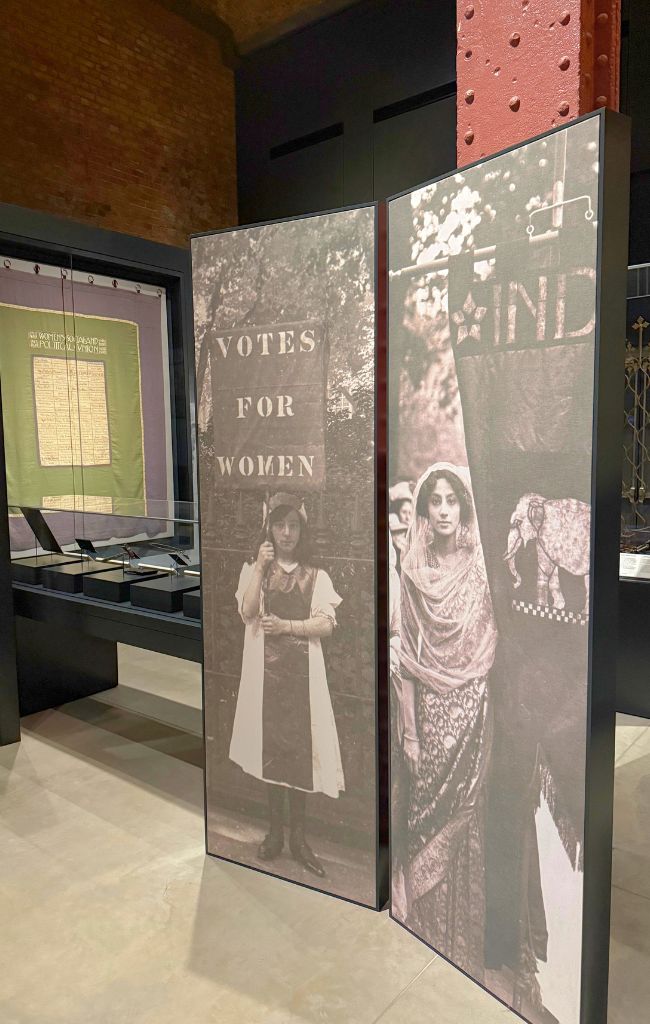
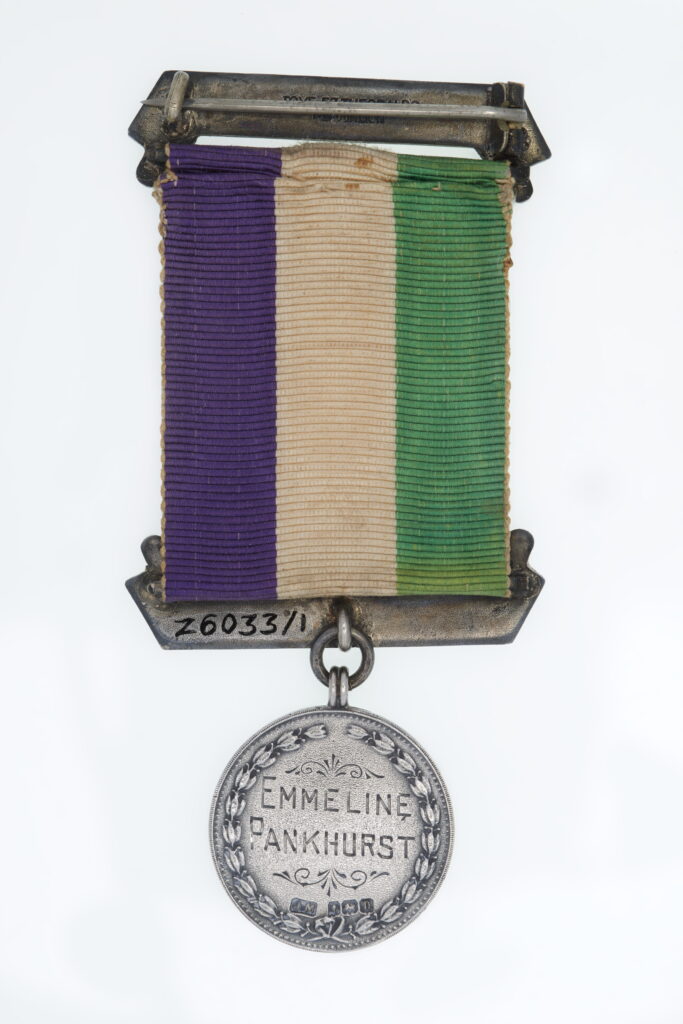
This gallery explores the story of the fight for the vote, from peaceful campaigners to militant suffragettes willing to go to prison. The museum holds the world’s largest collection of material on the militant suffragette movement led by Emmeline Pankhurst, including her hunger strike medal.
Modern London
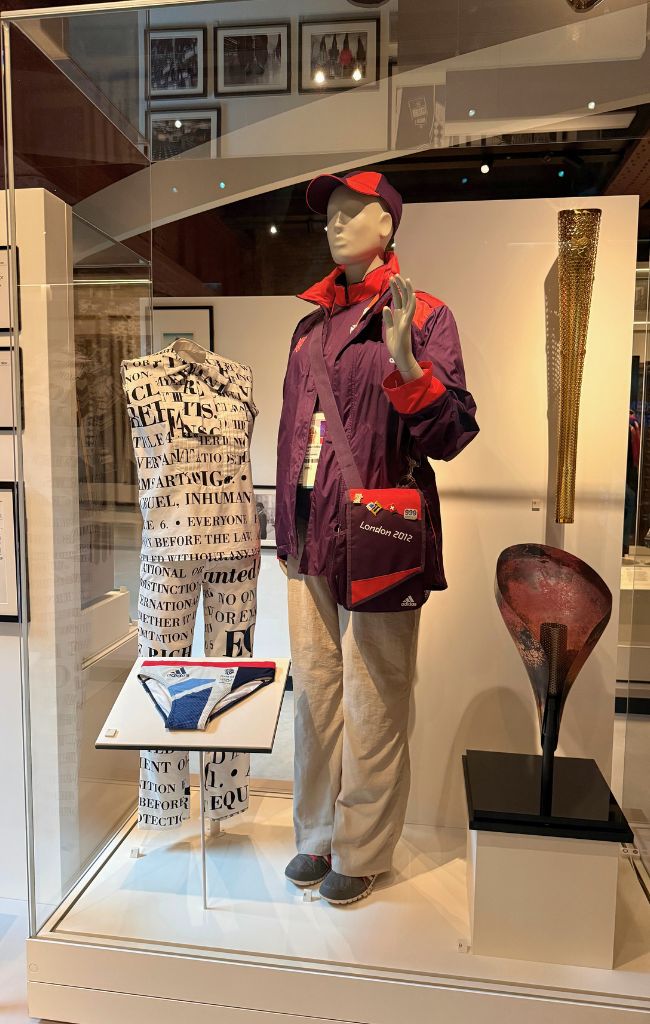
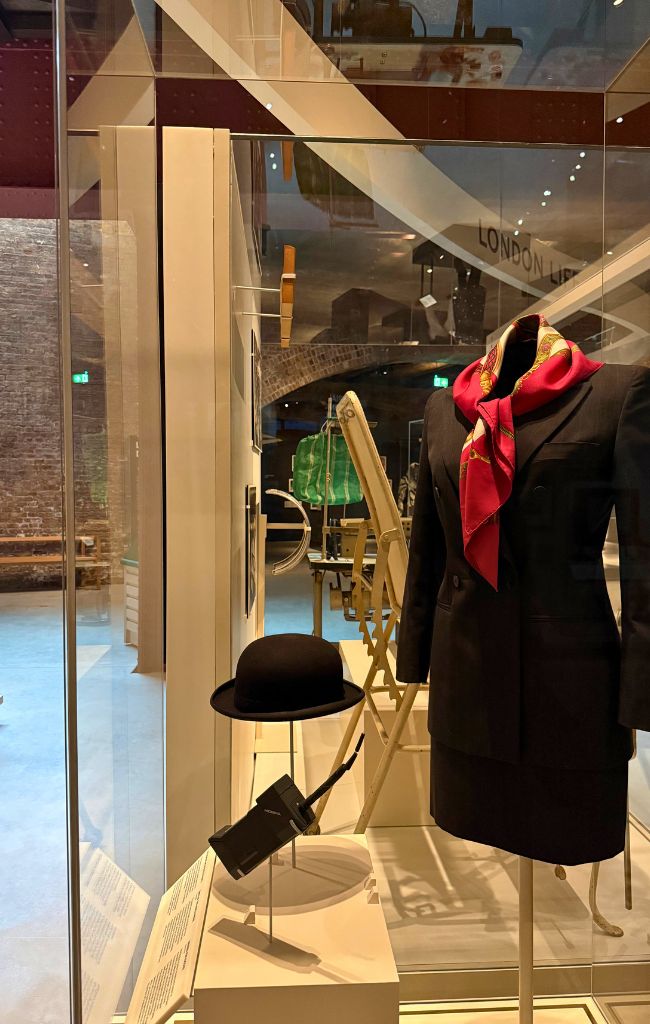
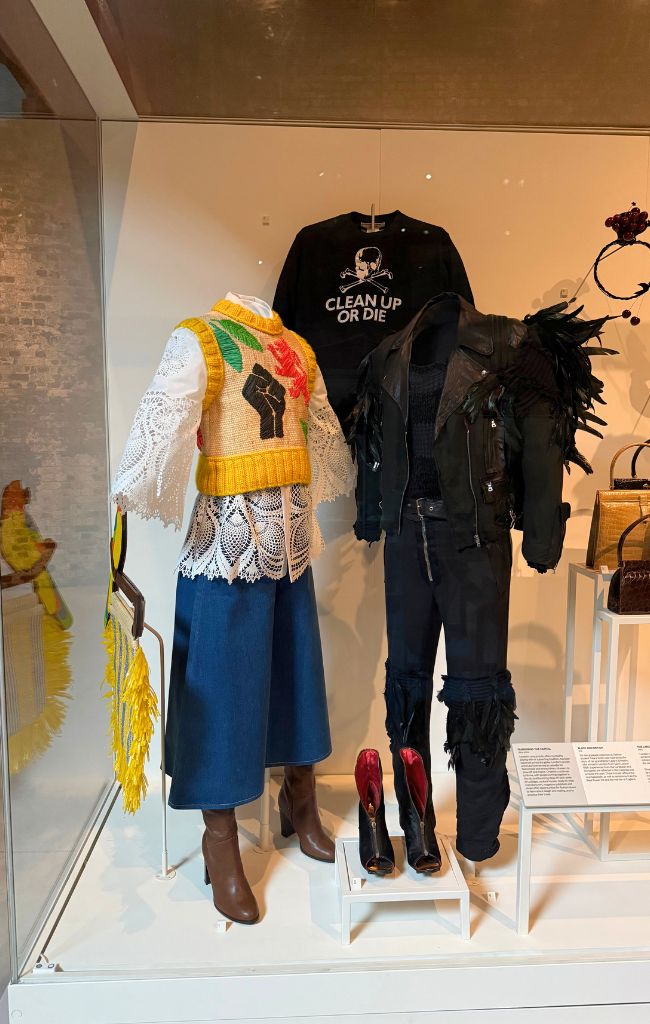
Covering the years from the 1948 Olympics to the 2012 Olympics, this section explores London finding its new place in the world after the empire. It explores London as a capital of fashion and music with some fabulous outfits on display. It also explores London as a financial centre, with a 1980s brick phone on display.
Other highlights include the smashed Fender bass from the cover of The Clash’s London Calling (on loan from Paul Simonon), tablas that belonged to the British Bhangra pioneer, Kuljit Bhamra.
There’s a statuette of Lady Phyll, co-founder of UK Black Pride, placards from the disabled-led campaign group Transport for All, and Tom Daley’s swimming trunks from 2012. Also from London 2012 is the Olympic torch, a Paralympian opening ceremony costume and an official portrait of Sir Mo Farah.
London Life
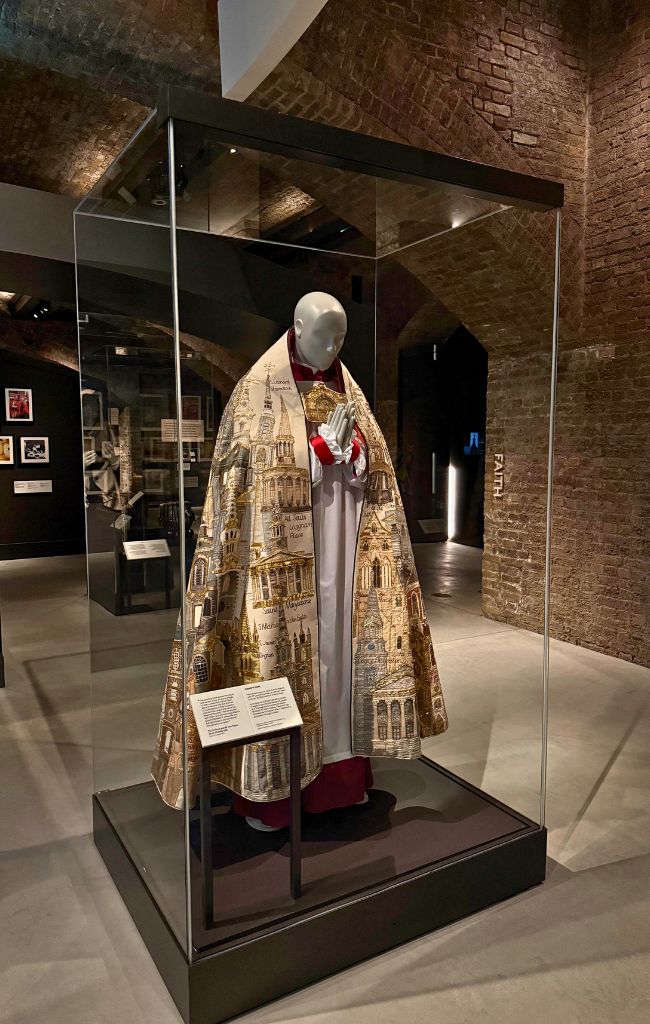
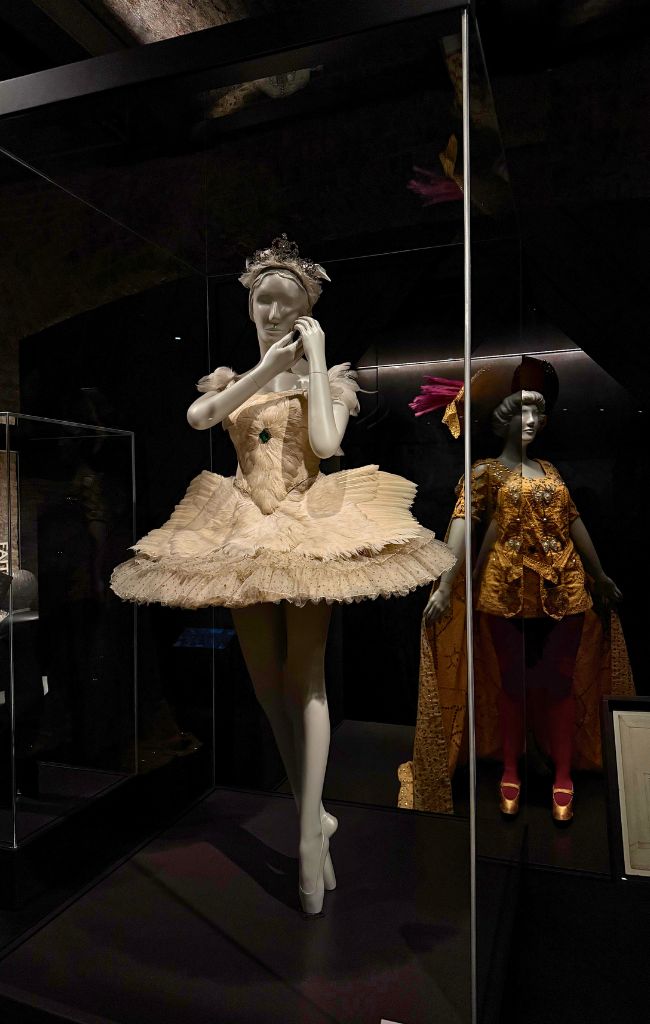
After London’s story, you can wander between two themed areas. London Life looks at everyday life through four themes: religion, entertainment, work and home.
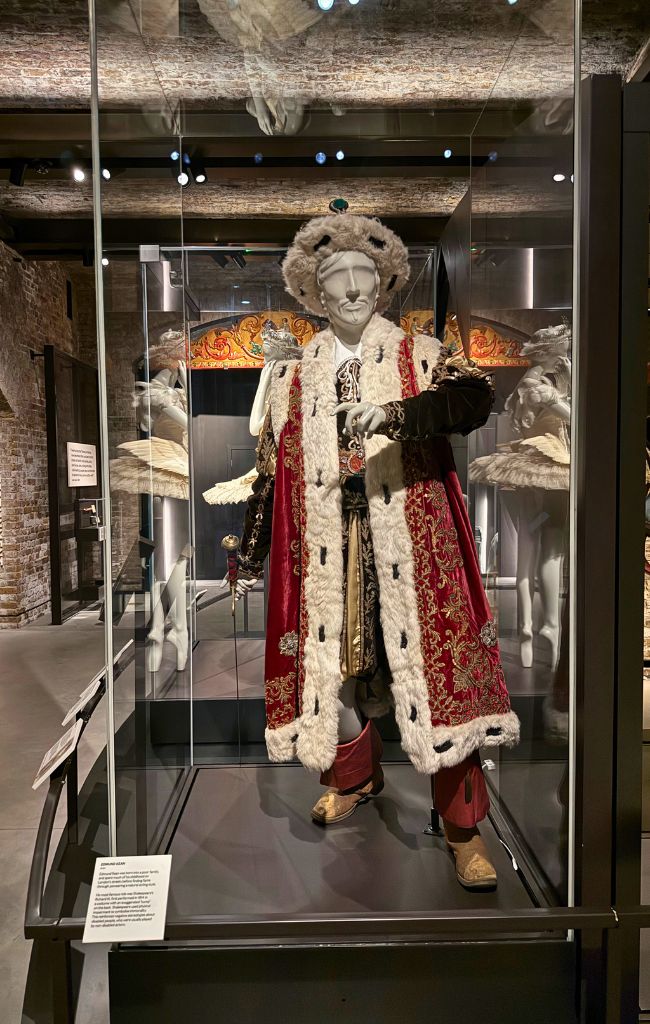
In the section dedicated to religion, there’s a beautiful Bishop of London’s cope on display, carefully embroidery with London’s parish churches. In the entertainment area is a costume of Richard III, worn by the actor Edmund Kean, complete with a false hump.
There’s also a costume worn by the music hall star, Kitty Lord. Most stunning is the restored Dying Swan costume once worn by ballerina Anna Pavlova, on display for the first time.
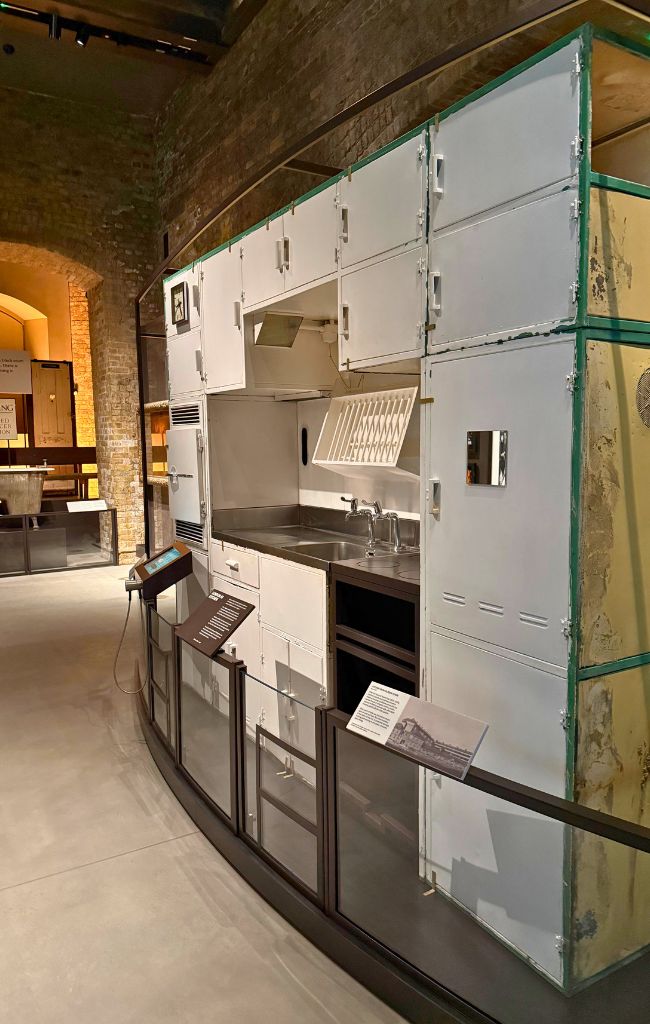
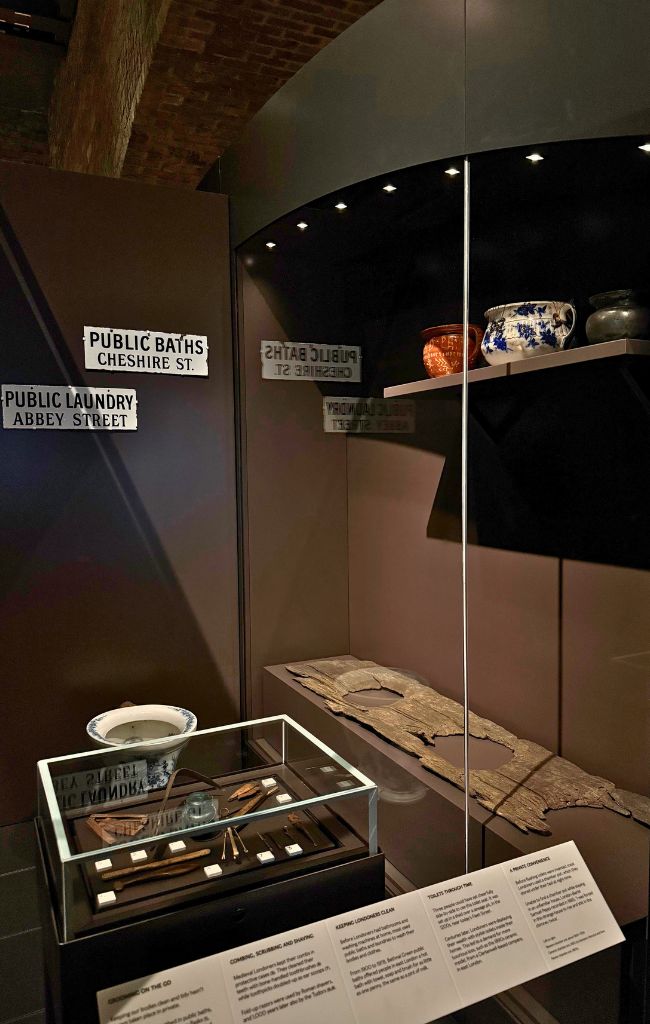
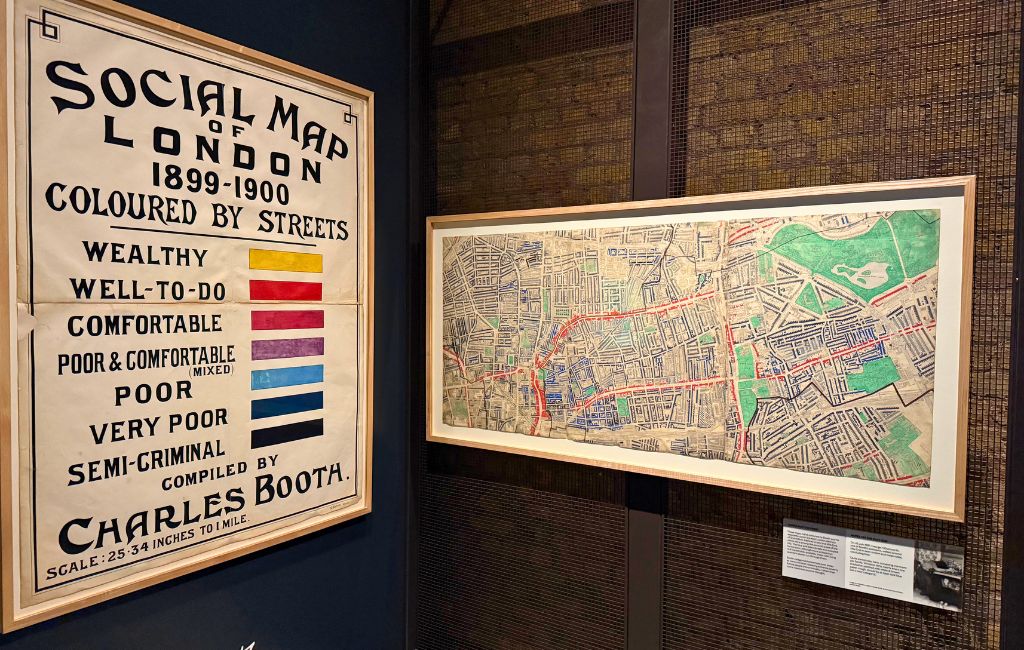
The home section features a once state-of-the-art 1950s kitchen from a north London home, a medieval three-seater toilet and the Booth map, that illustrated the degrees of poverty across London in the late 19th century.
London Landscape
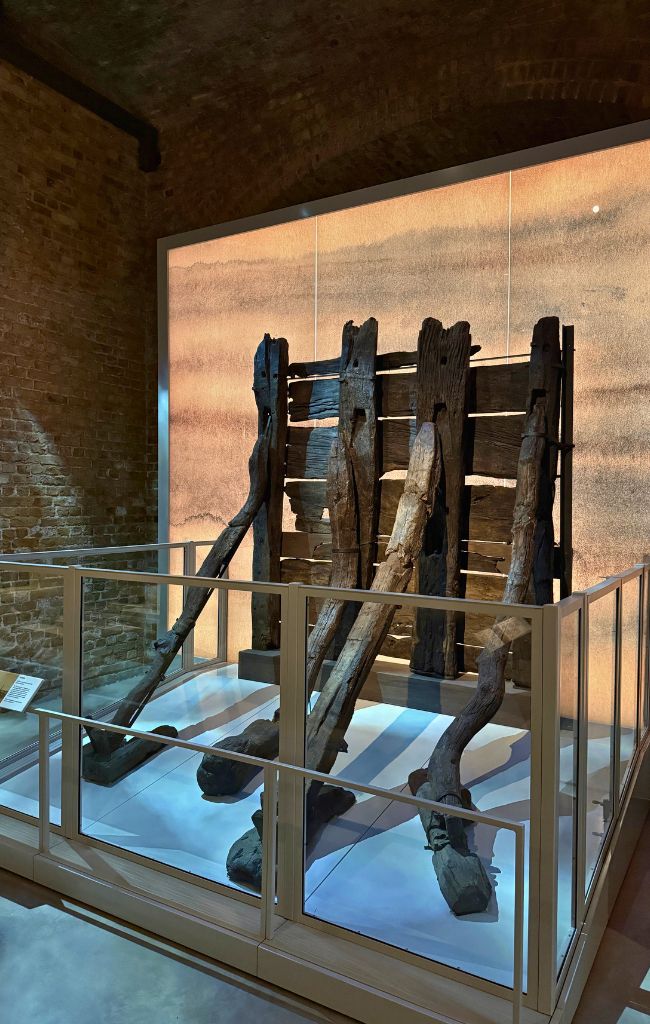
Running parallel to London Life is the area that explores London’s natural and built environment and how people use it. It includes gathering spaces such as Trafalgar Square (complete with one of its diversity pedestrian traffic signal); London’s history of air pollution; a 13th-century timber revetment from Billingsgate, part of the centuries-long process that narrowed the Thames from a wide, shallow, many-branched river into something close to a canal; and section dedicated to London’s parks and outdoor spaces.
The City Machine
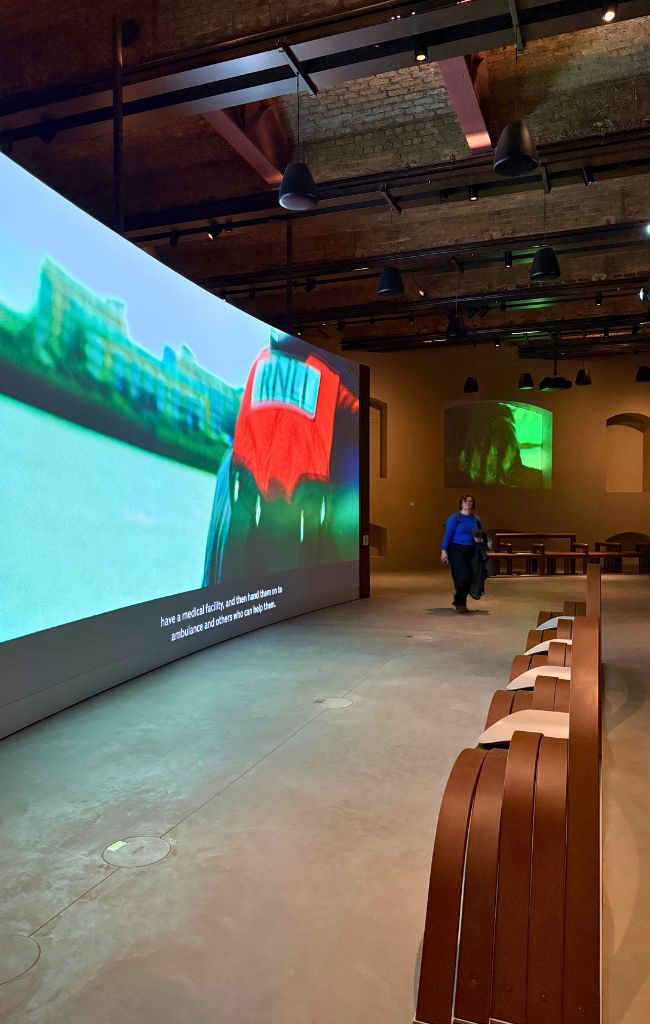
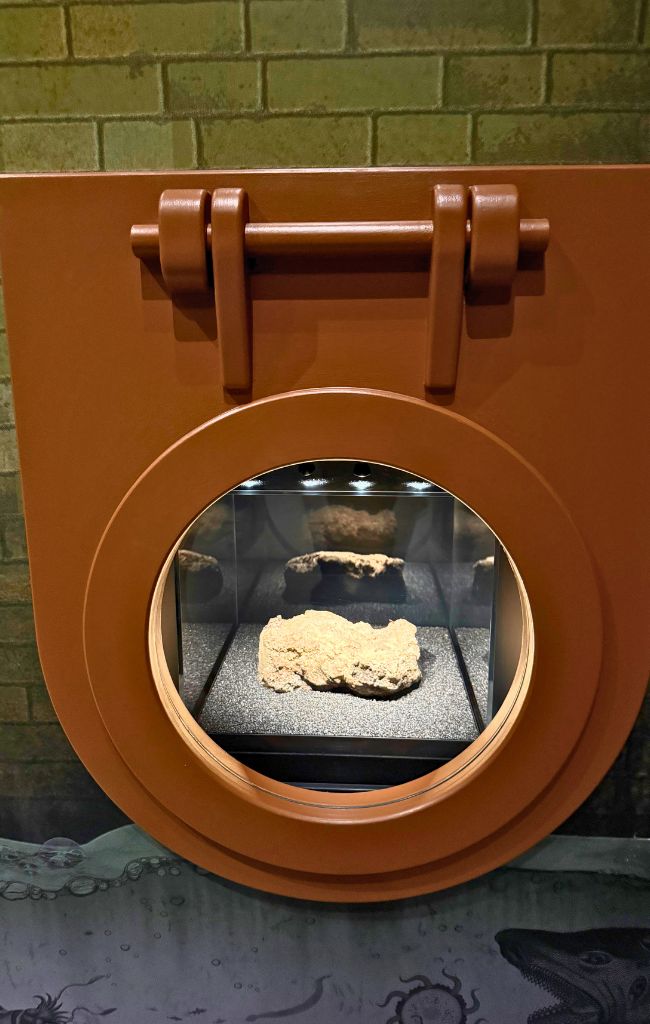
At the far end of the galleries, this area explores the hidden infrastructures – the rivers, railways and sewers – that keeps London running. There’s a film made with Thames Water that takes you into the old Victorian sewers, another film that follows a journey along the Thames from the docks to the sea, and even a slice of the 2017 Whitechapel fat berg, that once clogged the city’s Victorian sewers.
The highlight of this area is the 6m-long window that looks straight out onto the Thameslink train tracks. This is one of the oldest stretches of underground railway still in use, built just after the Metropolitan line. Grab a seat on the bench and wait until one of the trains rumbles past.
London Museum Highlights
There is so much to see here (and so much that I didn’t get a chance to see on my first visit) but some of the must-see items include:
1. The Buckingham Palace switchboard: decommissioned in 1970 and on display for the first time.
2. Syd’s Coffee Stall: A century-old East End icon serving free hot drinks on Tuesdays.
3. The Havering Hoard: The largest Bronze Age hoard ever found in London, before the Romans arrived.
4. Roman painted wall plaster and mosaic: On display for the first time and back in view after almost 2,000 years.
5. The Cheapside Hoard: An incredible collection of Tudor and Stuart jewellery including the emerald pocket watch.
6. Charles I’s execution vest: Reputedly worn at his execution in 1649. It’s only on display for six months, so don’t leave it too long.
7. The Great Fire of 1666: The graphic novel set-up and a real brick charred in the Pudding Lane fire.
8. Queen Victoria’s mourning dress: Worn after the death of her grandson Prince Eddy in 1892.
9. Emmeline Pankhurst’s hunger strike medal: And the rest of the Votes for Women gallery.
10. The Whitechapel fatberg: A chunk of the infamous 2017 sewer blockage.
Visiting the London Museum with kids
This is a great museum for kids of all ages. Some highlights for visiting with children include:
- The sheep: You’ll see flocks of sheep dotted around the museum, each named by a local primary school. Visitors can pick them up and move them to new spots or simply take a rest and sit on one. Kids will love hunting for them.
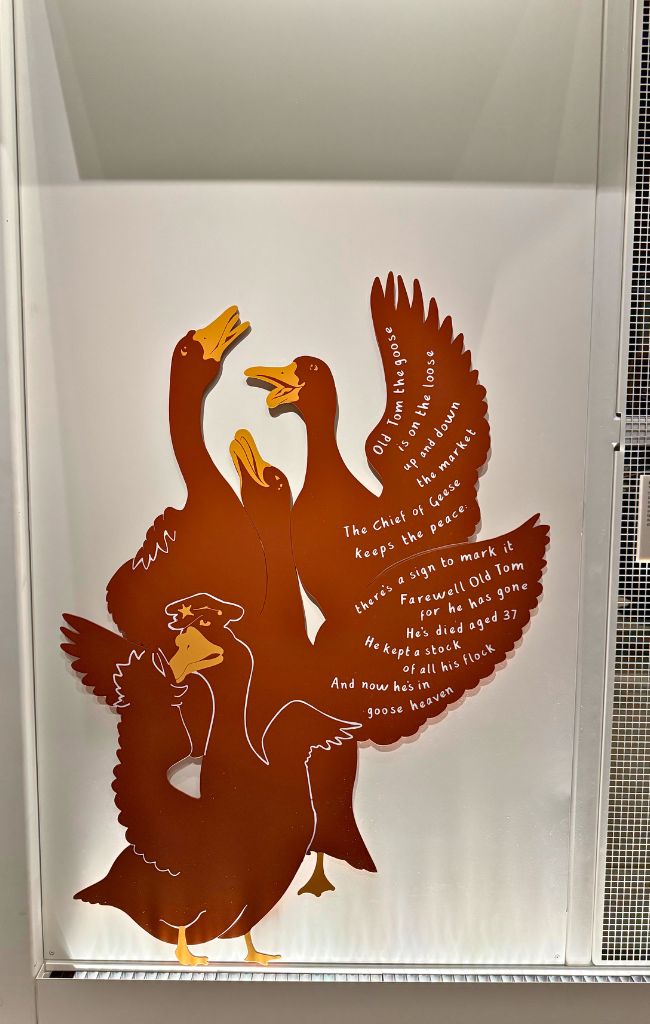
- The animals: The story goes that the museum opens at night for the animals, and a pigeon (the museum’s new mascot) asked whether animals could be part of the museum too. So animals turn up throughout the galleries, each with its own poem by Michael Rosen. Spotting them all makes a great game.
- Interactive elements: There are headphone listening points, records to flick through and interactive displays in Our Time. The Great Fire of London in Past Time is told as a walk-in graphic novel, made with children in mind. There’s also the walk-in Roman shop and home complete with ancient noughts and crosses game.
- Entertaining history: The medieval three-seater toilet downstairs is entertaining!
- Young Londoners: Older kids and teens can see work made by children from 33 London schools.
- Family shows: The London Museum is running a number of themed family shows including one on the Great Fire of London and another themed around Digging into Roman London. These 40-minute shows are aimed at children aged 7-11. They’re free to attend but ticketed and advance booking is recommended – the sessions for January 2027 for both shows are already sold out. It’s worth signing up to the museum’s newsletter so you know when the next shows are available.
- Playdates is another activity designed for kids. Created with Punchdrunk Entertainment, these 30-minute interactive experience invites kids to discover the secrets of the city. Aimed at ages 7+.
Eat, drink & shop
There are four places to eat and drink in the new London Museum.
Clerk’s House is the all-day restaurant with a menu inspired by London’s food heritage. It’s open every day for breakfast, lunch and afternoon tea. On Friday and Saturdays it’s also open for dinner from 7pm. Options include a Ginger Pig bacon butty or Billingsgate bap. There are Brick Lane croquettes and beef and oyster pie, as well as seafood platter of oysters, crab and shellfish.
Bartholomew’s is a lively bar open every day except Monday and Tuesday from 11am. Sunday to Wednesdays it’s open until 11pm, on Thursday it stays open until midnight and on Friday and Saturday it doesn’t close until 2am. There are cocktails inspired by London as well as pub-style menu options including Scotch eggs, Ploughman’s lunches and freshly shucked oysters.
The Temperance Cocoa Rooms revives a former alcohol-free coffee house discovered during the museum’s restoration. Originally associated with the Victorian temperance movement (read: teetotalism), this was where local market workers once came for refreshments. The new café serves hot chocolate, coffee, and mocktails, as well as light meals. Open daily, it will be open 24 hours Thursday to Saturday.
Syd’s Coffee Stall the East End institution now has a branch in Our Time.
I love a museum shop and the New London Museum shop is a great one with pieces inspired by the museum’s collection. I spied caps and totes with with suffragette banner slogans by London designer Nicole Chui, scarves and stickers inspired by the Roman archives by Hackney illustrator Lizzie King, and jewellery by early-career makers from the Goldsmiths’ Centre, inspired by mudlarked finds. Plus lots more.
Accessibility and nearby sights
Accessibility: There’s step-free access throughout the museum, perfect if you are visiting with buggies / pushchairs. Toilets for all genders and accessible toilets are on both floors. Assistance dogs are welcome everywhere in the museum. Wheelchairs and mobility scooters are available to book
Make a day of it: St Bartholomew-the-Great, Postman’s Park, the Barbican and St Paul’s Cathedral are all within walking distance.
London Museum FAQ
- Is the London Museum free? Yes. Entry to the permanent galleries is free.
- Do I need to book? It’s strongly recommended, especially in the first few weeks. Walk-ins are let in if there’s space.
- How long should I spend there? Two to three hours for a first visit. You won’t see everything, and that’s fine
- Is it good for kids? Yes, it’s a great museum for children. Look for the sheep, the hidden animals and the medieval toilet.
- Is it the same as the Museum of London? Yes. It’s the same museum with a new name and a new home. London Museum Docklands is its sister site in Canary Wharf.