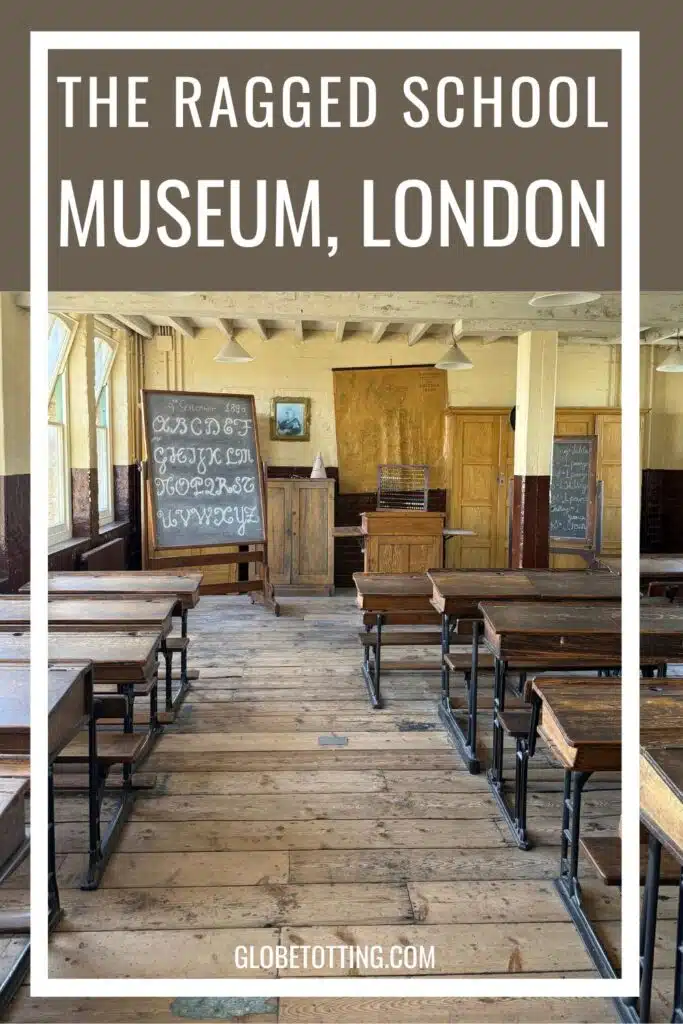
I had been meaning to visit the Ragged School Museum for ages and I’m so glad that I finally did. This is one of London’s most unusual museums, especially if you visit on the first Sunday of the month.
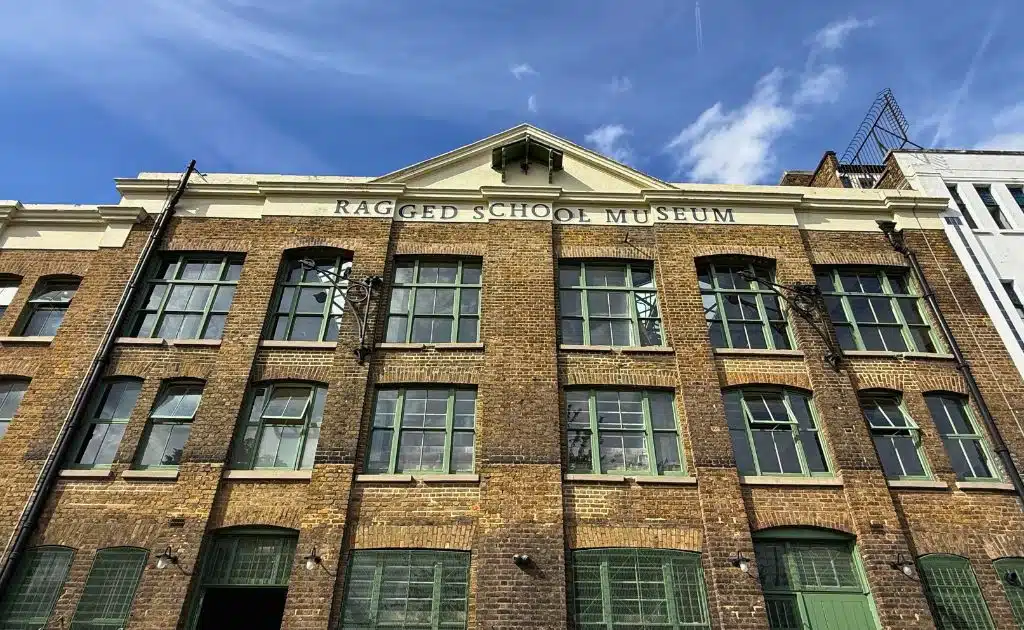
Set alongside Regent’s Canal in Tower Hamlets, East London, the Ragged School Museum once served as a school for the East End’s poorest children. Set in a row of three former warehouses, the school provided destitute children with free basic education, meals and clothing. Today, the former schoolhouse has been transformed into a museum, complete with a full, working Victorian schoolroom. It’s a fascinating step back in time and a moving glimpse into a chapter of London’s not-too-distant past.
Disclosure: This post may contain affiliate links. I have been or could be if you click on a link in this post compensated via a cash payment, gift or something else of value for writing this post. See our full disclosure policy for more details.
What is the Ragged School Museum?
Formed in the 19th century, Ragged schools were formed thanks to charitable organisations established to provide free education as well as food often clothing to impoverished children. Being born into poverty in Victorian London was extraordinarily hard with children living in extreme poverty without food or a clean, safe home.
In 1877 Dr Thomas Barnardo opened the Copperfield Road Free School, the largest of three ragged schools in the area, in a row of three warehouses. Today, it’s an underfunded, independent museum that – as the museum director Erica Davies told me – is run on a shoestring. It’s simple museum but it’s really very good and offers an extraordinary glimpse of what life was like for the poorest children during the Victorian era.
The Story of the Ragged School Museum
In 1870, the Forster Act passed, in theory moving England towards universal primary education. The reality was, however, that many schools – including one across the canal – still charged fees that the poorest families couldn’t afford.
The museum has examples of historical logs and lists with an example of one boy, William, being turned away from a nearby school because of their “ragged clothes”. What’s interesting is that the register also notes where children were “fatherless” rather than “illegitimate”, which Erica pointed to as a small but telling sign of how sensitively Barnardo treated the families he served.
This was the gap that the Ragged School Union wanted to fill and Thomas Barnardo’s free school on Copperfield Road became one of the largest.
The school was open from 1877 to 1908 and during that time it educated, fed and clothed tens of thousands of children.
After it closed, the site fell into disrepair and at one point was going to be demolished. Fortunately, local residents stepped in and the site was saved. The museum first opened in a single room in 1990 and was fully restored in 2023 following funding from the National Lottery Heritage Fund.
Visiting the Ragged School Museum
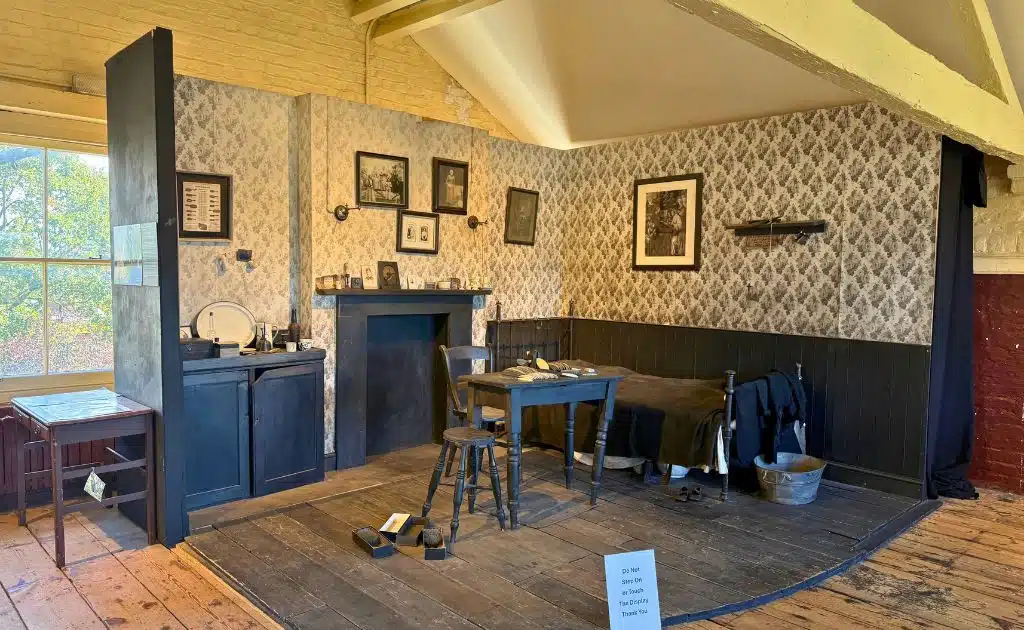
The museum is broadly divided into three sections, the ground floor exhibition space detailing the history of the school and the area, the reconstructed Victorian classroom, and an upstairs display area where a temporary art exhibition is on, showing what the inside of a Victorian slum home might look like.
The permanent exhibition space
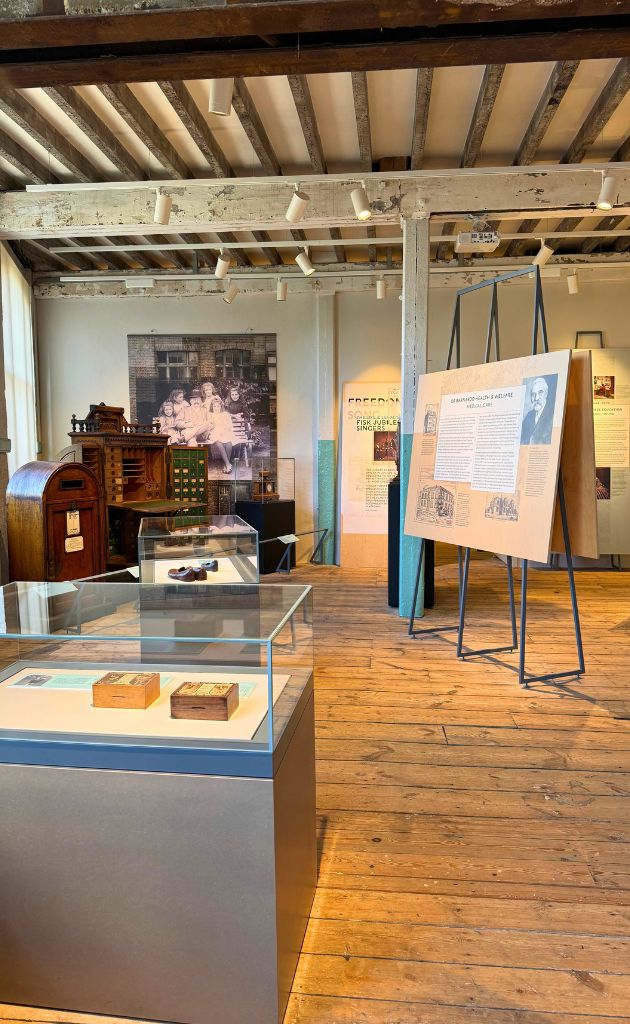
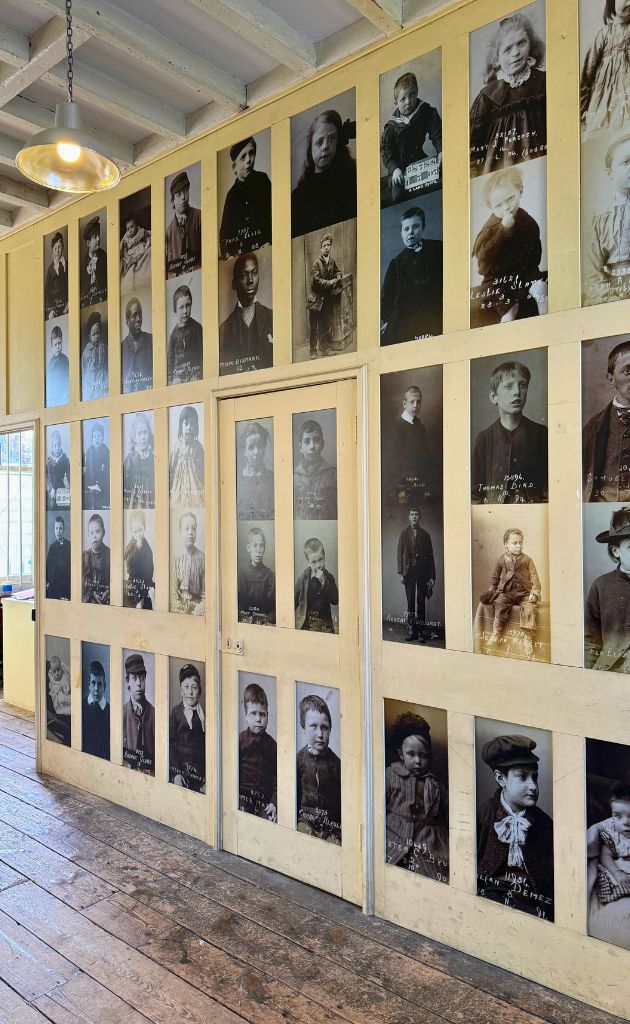
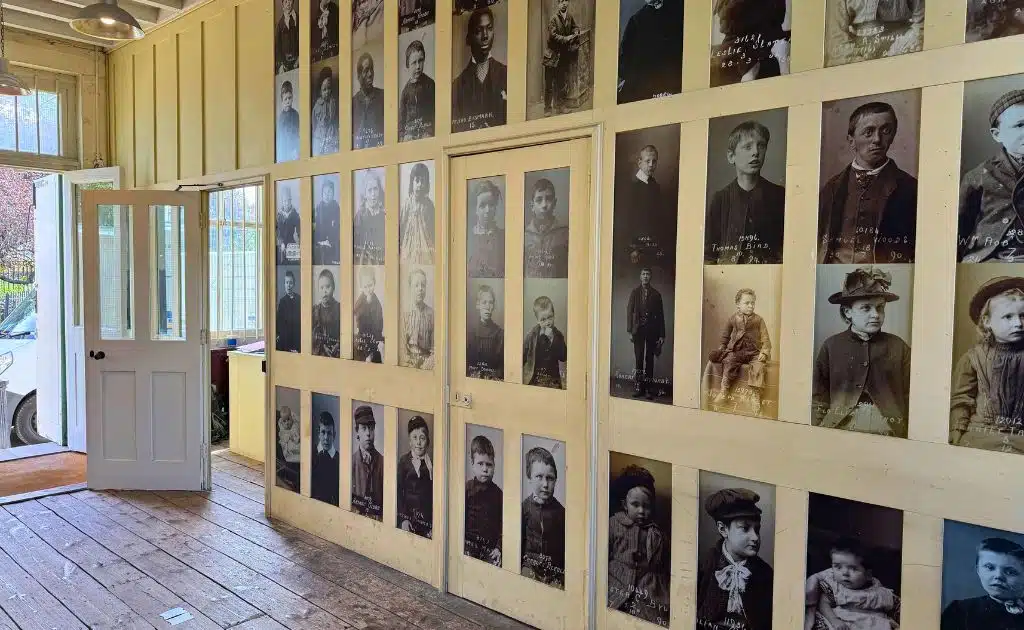
On the ground floor, in the former boys’ classroom and girls’ classroom is the main exhibition area. Here, panels detail what life was like in Victorian times and the history of the ragged schools. There’s a lot of information on Dr. Barnardo himself.
Born in Dublin, Barnardo originally intended to become a missionary in China but once he saw the scale of poverty in London’s East End, dedicated his life to helping the poorest of the poor. In addition to establishing free schools, he ran a night shelter for the children of women affected by the Jack the Ripper murders (so they did not have to stay in adult lodging houses), funded factory girls’ sewing classes so they could make their own clothes and, inspired by children’s villages he had seen in Germany, set up the Girls’ Village Home. He also founded two hospitals, one specifically for tuberculosis, and an apprenticeship system.
Barnardo wasn’t without controversy and this is also explored in the museum exhibition. He also implemented a child migration system that sent some 30,000 unaccompanied children to Commonwealth countries, mostly Australia and Canada. Although it’s impossible to imagine something like that happening today, the museum tackles the subject well, sharing some of the horrors alongside accounts of children who found real opportunities.
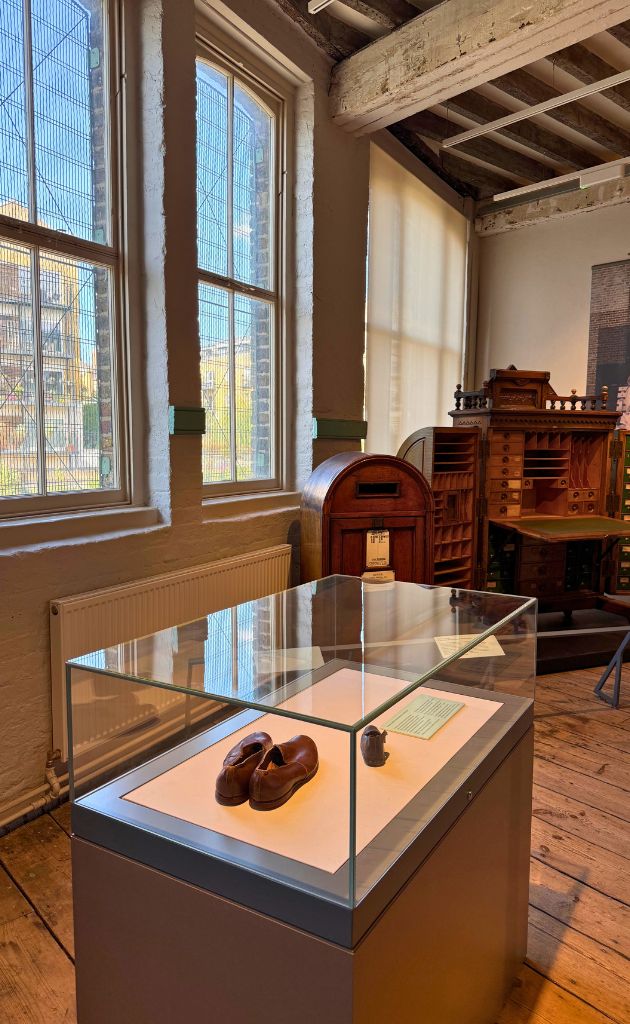
The other thing that’s interesting about this exhibition are the engravings that accompany a lot of the panels, such as the one showing young boys learning to make brushes – Barnardo was a firm believer that the children in his care should learn a trade as well as receive an education. Many of the engravings come from the 1879 magazine and fundraising paper Night and Day that Barnardo published. There also a handful of photos on display, including one of a group of Sunday school children waving invitations to a Christmas party, and one of the boys isn’t wearing any shoes.
Speaking of Sunday school children, in 1881 Dr Barnardo took 2,500 of them on a day’s outing by train to Theydon Bois in Essex.
The exhibition is very text heavy and requires so time and concentration but it’s genuinely fascinating.
There are also a couple of pieces of furniture in this space including Dr Barnardo’s “King of Desks”, a patented “Office Secretary” desk designed by the American inventor, William S. Wooton. Designed before filing cabinets came into being, the enormous desk has numerous drawers and shelves for filing away paperwork. Look closely and you’ll spot Barnardo’s handwritten labels on them.
Also on display is Barnardo’s clock, which could be programmed so that an electric bell would ring after a certain amount of time – a handy way to tell people in his office that he had to crack on with some work!
The Victorian Schoolroom
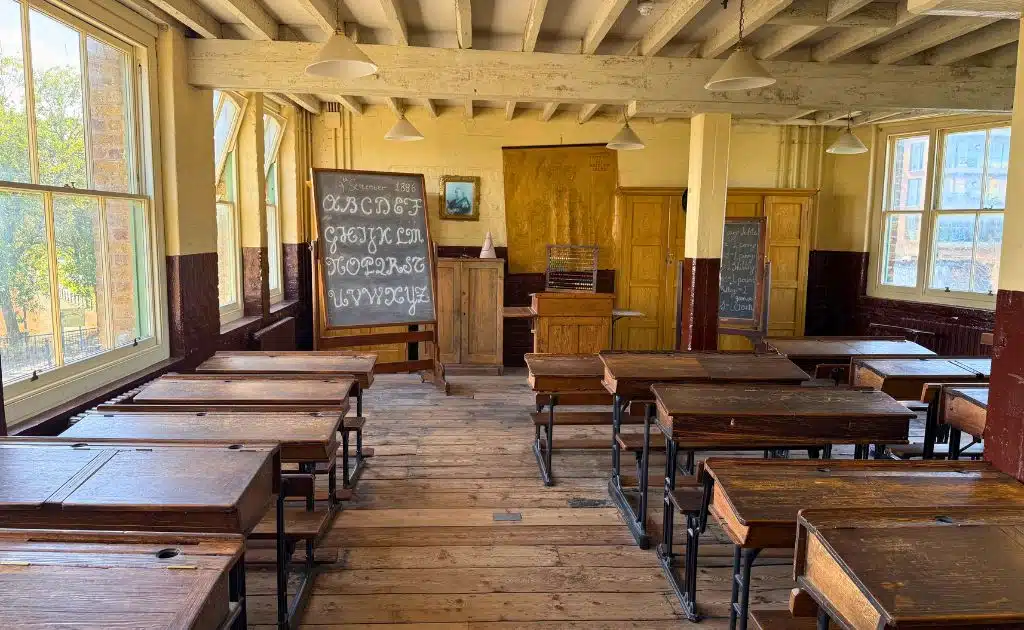
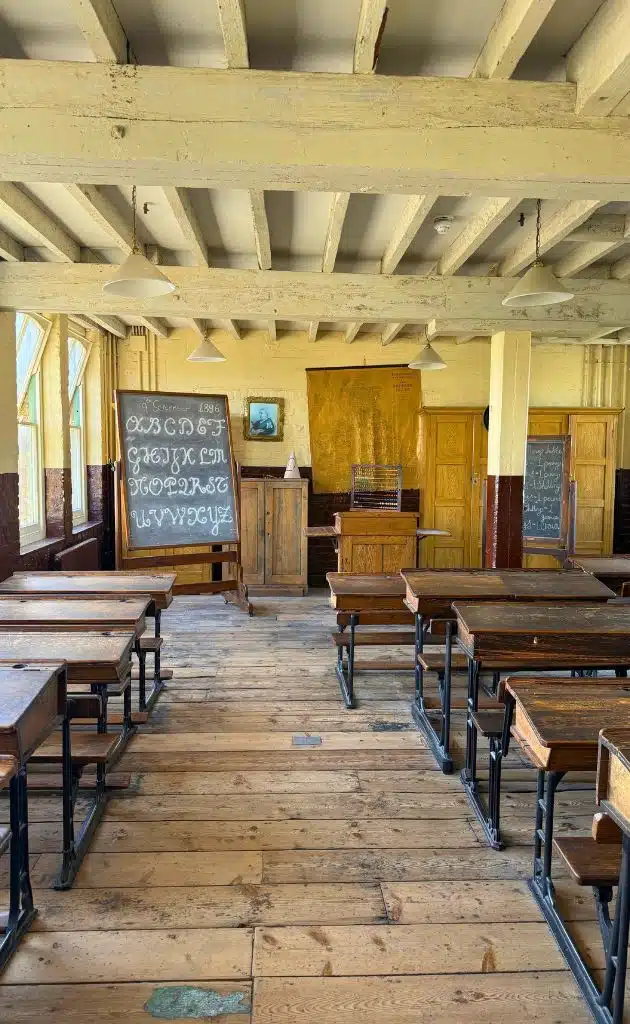
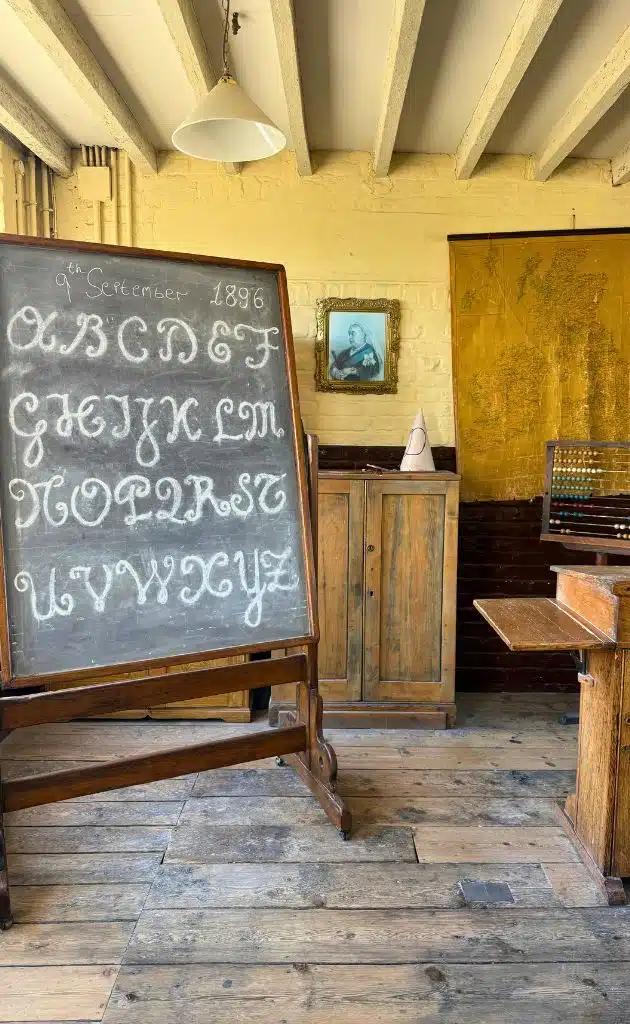
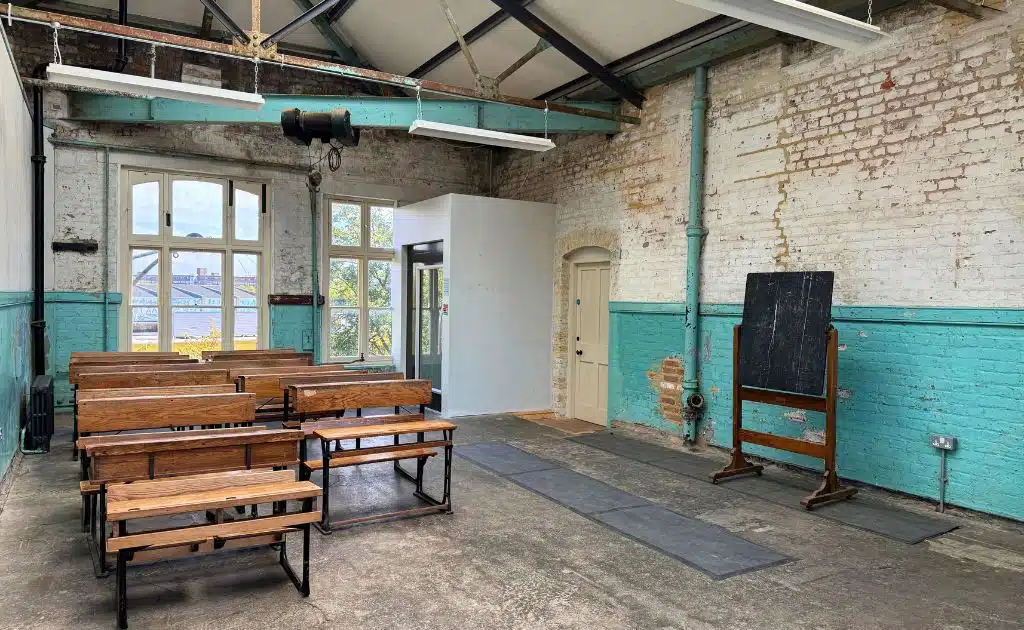
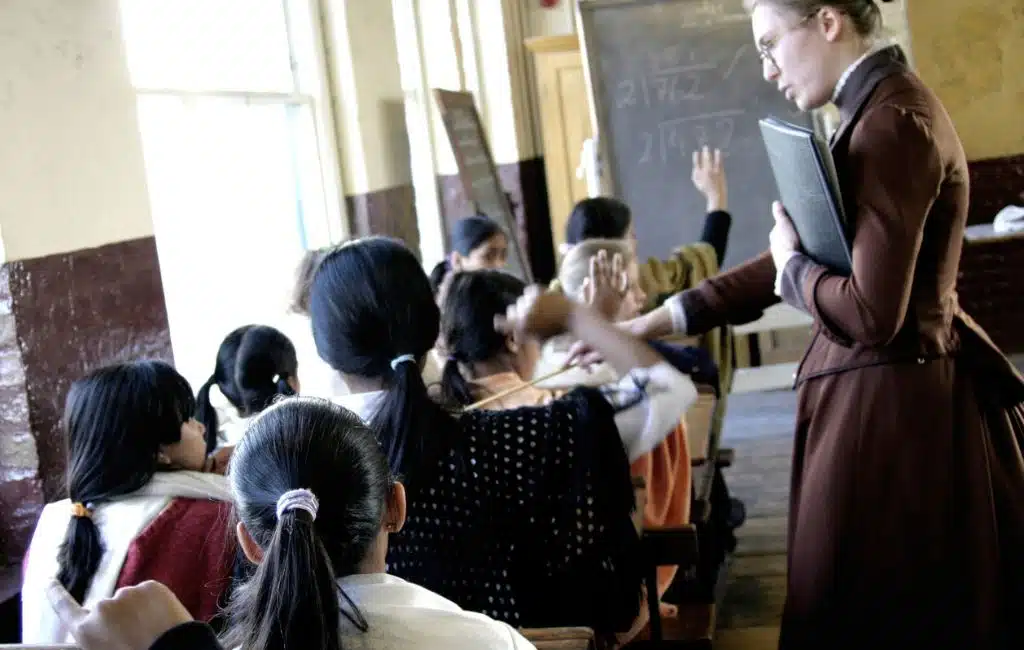
This is the real highlight of the museum, the reconstructed Victorian schoolroom. Located on the second floor are rows of small wooden desks with inkwells, two chalk slate boards, the teacher’s desk, and even a dunces cap. During its time, classes would regularly top 100 to 200 pupils and the curriculum was limited to reading, writing, arithmetic and studying the bible.
The best thing about this schoolroom, however, is the immersive Victorian lessons that are run on the first Sunday of the month. Led by an actor in Victorian school teacher dress, these 45-minute long sessions transport you back to 1880s East London where you have to do what you are told! Lessons include learning copper plate handwriting and practicing traditional tongue twisters.
Other spaces
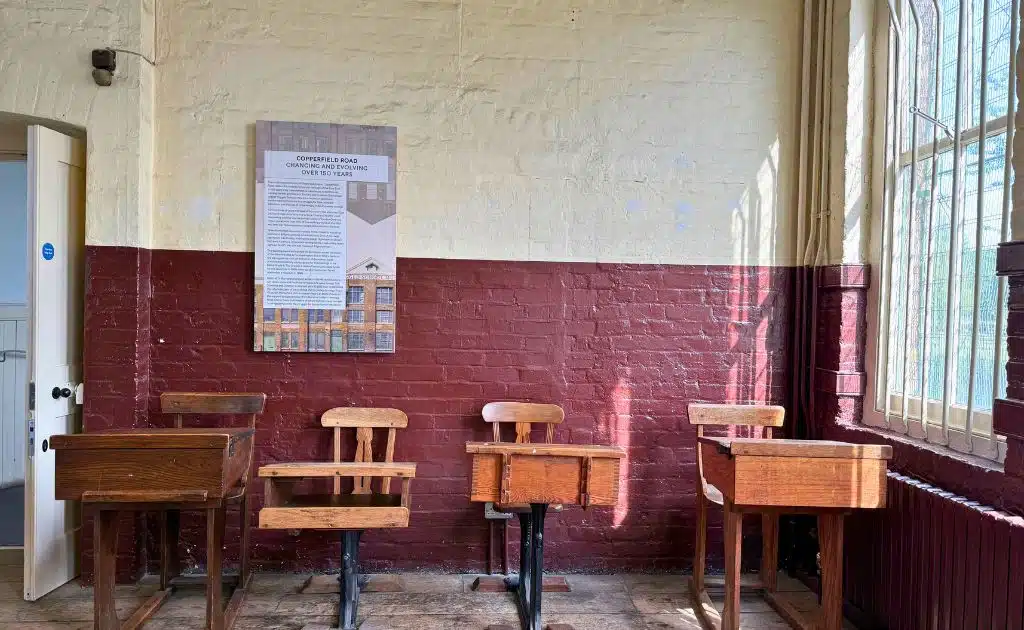
There’s a top floor space that is used for events – and there were a number of small wooden school desks in there as well when I visited. In a separate room is where you’ll find Forgotten Tale, an immersive installation by the artist Clarisse d’Arcimoles. Using a black and white photograph of a Spitalfields home in 1902, she reacted a life-size version of the impoverished Victorian home, even including the templates that the family would use to make hairbrushes in order to sell and make a living.
The Ragged School Museum with kids
Although the permanent exhibition space is too text heavy for younger kids, it’s a good option for older teens. It’s one of those museums that could do so many interesting things if only it had better funding.
That said, the Victorian school classroom is fantastic and a really brilliant way to engage kids in this period of history. The Victorian school classroom can be visited at any time when the museum is open but the re-enacted Victorian lessons only take place on the first Sunday of the month. Combine your visit here with a trip to the Young V&A Museum nearby.
The museum also hosts regular school holiday activities.
Why You Should Visit the Ragged School Museum
- It’s genuinely unique: It’s the only surviving ragged school and the only museum of its kind.
- Low-cost: Although not free, the entry charge is minimal.
- A strong pick for a rainy day: It’s a great rainy day activity and you can combine a trip here to the nearby Young V&A Museum
- It’s a small independent museum: And needs support! It’s very underfunded.
Practical Information for visiting the Ragged School Museum
- Address: 46–50 Copperfield Road, London E3 4RR
- Nearest station: Mile End (Central, District, Hammersmith & City lines); Limehouse DLR is also close
- Opening hours: Wednesday–Sunday, 10am–5pm
- Admission: Adults £5, children £2.50, family ticket (two adults and up to three children) £10
- Victorian classroom lesson: This takes place on the first Sunday of each month at 11.30am and 12.45pm. The experience operates on a first-come, first-served basis and you must secure your ticket upon arrival. The lesson is included in museum admission.
- How long to allow: It depends on the ages of your kids but I spent a couple of hours here.
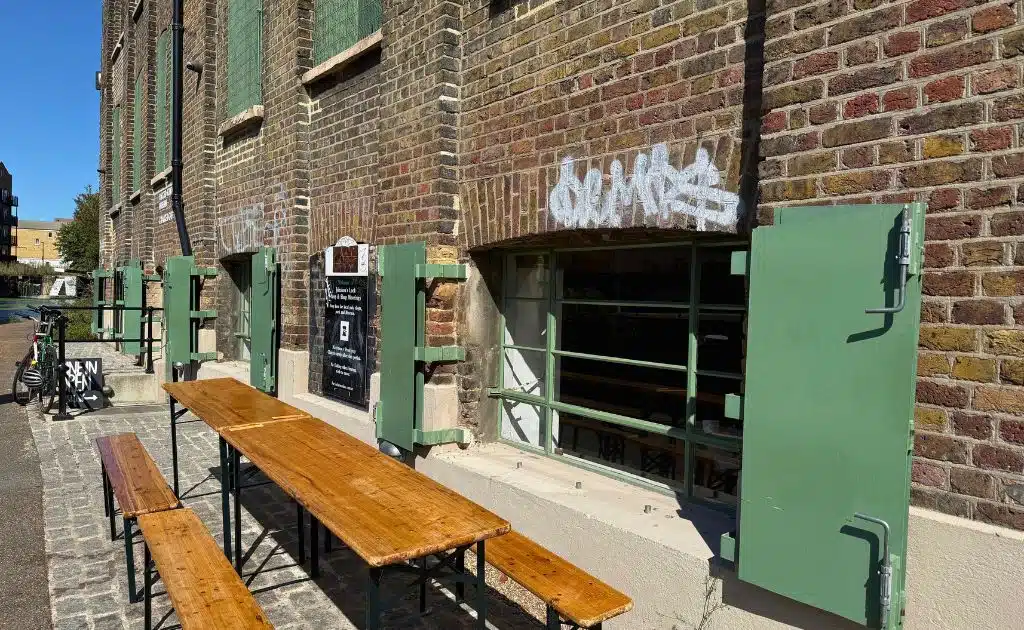
- Good to know: There’s a good cafe in the basement, the FORNO Ragged Cafe with indoor and outdoor seating. If it’s sunny, grab a pew and enjoy lunch overlooking Regent’s Canal.